


Written By: Jeffrey Atlas, PA-C, Health Content Writer
Medically Reviewed By: Dr. Gopal Grandhige, MD, FACS, Board-Certified Surgeon
Last Reviewed: January 18, 2025
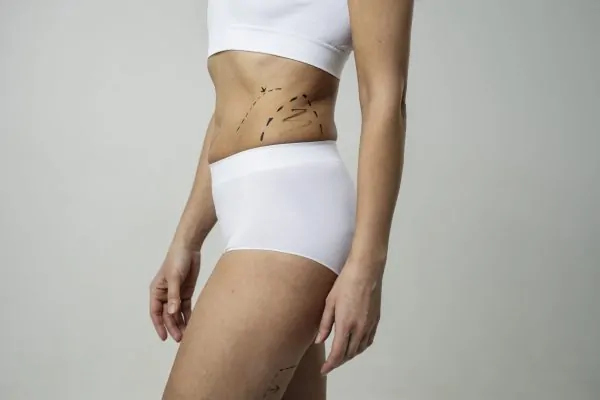
Yes, liposuction is definitively considered plastic surgery. Specifically, it falls under aesthetic (cosmetic) plastic surgery, which focuses on improving physical appearance by permanently removing excess fat cells from targeted body areas. Liposuction ranks among the most popular plastic surgery procedures worldwide, accounting for 15-20% of all plastic surgeries globally with over 200,000 procedures performed annually in the United States alone.
What makes liposuction plastic surgery? The procedure meets all surgical criteria: it requires board-certified plastic surgeons to perform it, uses either local or general anesthesia for patient comfort, involves surgical incisions for cannula insertion, and necessitates a recovery period of 4-6 weeks with final results visible after up to 6 months. Unlike non-surgical fat reduction treatments, liposuction permanently eliminates adipocytes (fat cells) through surgical intervention, placing it firmly in the plastic surgery category under body contouring specialties.
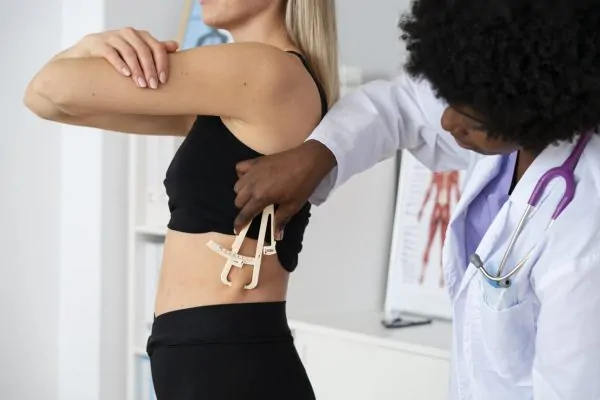
Liposuction treats common areas including the abdomen and waist (most popular), thighs, arms, face and neck, hips and love handles, back and chest, and buttocks. Multiple techniques exist including tumescent liposuction (most common method using saline solution injection), VASER liposuction (ultrasound-assisted), laser-assisted liposuction, and power-assisted liposuction. Ideal candidates maintain good overall health, have moderate weight with BMI under 25, possess firm elastic skin, and target stubborn fat deposits resistant to diet and exercise.
Liposuction is a cosmetic procedure designed to remove excess fat from specific areas of the body. It targets stubborn fat cells, known as adipocytes, that store fat and don’t go away despite a healthy diet and regular exercise. By permanently eliminating these fat cells, liposuction helps sculpt and refine the treated areas, enhancing your overall appearance.
You may also hear liposuction referred to as “lipo” or lipoplasty.
Liposuction can target nearly any area of your body with unwanted fat. This versatile procedure helps contour and sculpt various spots, making it a popular choice for those seeking a more defined shape. Here are some of the most common areas where liposuction is performed:
Liposuction’s adaptability means it can be tailored to your unique goals, addressing multiple areas during a single procedure for optimal results.
Liposuction can be an effective way to contour the body, but not everyone is a good fit for the procedure. Candidates for liposuction typically meet specific criteria to ensure the process is safe and delivers desired results. Here’s what makes someone a good candidate:
These qualifications are just the starting point. Your healthcare provider will assess your unique situation and help you determine if liposuction is the right choice for you.
Liposuction may not be the right choice for everyone. Certain health conditions and expectations can affect the success of the procedure or even put your health at risk. You may not be a suitable candidate for liposuction if you:
It’s important to understand that liposuction doesn’t fix sagging or loose skin on its own. This is often an issue after major weight loss. If your goal is to address excess skin, your healthcare provider may suggest combining liposuction with a procedure specifically designed to remove loose skin.
Age is not typically a limiting factor when it comes to liposuction. However, individuals over 65 may face challenges due to changes in skin firmness or elasticity that naturally occur with aging.
Absolutely! Liposuction isn’t limited to a specific gender, people of all sexes can consider it as an option. For men or individuals assigned male at birth, healthcare professionals might suggest liposuction for addressing gynecomastia, a condition involving enlarged male breast tissue. This procedure can help reduce excess fat in specific areas, including the chest, and provide a more contoured appearance.
Liposuction is often considered by individuals looking to reshape their bodies when other methods haven’t worked. Here’s why it might be an option for you:
When considering ways to manage excess weight, many wonder: can liposuction help with obesity? The truth is, liposuction is not designed as a weight-loss solution or a treatment for obesity. Instead, it is a cosmetic plastic surgery procedure aimed at removing stubborn fat from specific areas of the body where fat may persist despite a healthy diet and regular exercise.
It’s important to note that liposuction doesn’t work as a full-body weight-loss method. While the fat cells removed during the procedure won’t grow back, your body can still store fat in other areas if weight gain occurs after surgery. This makes maintaining a balanced lifestyle essential for long-term results.
Every person’s body is unique, and losing weight isn’t always straightforward. Even with good nutrition and consistent physical activity, some individuals may struggle with excess fat. If you’re managing significant weight challenges, it’s best to consult a healthcare provider about comprehensive weight management solutions. Liposuction can enhance your aesthetic goals, but it’s not a substitute for medical interventions for obesity.
This underscores the importance of understanding the role of plastic surgery in achieving personal goals. Liposuction is a powerful tool for refining body contours, but for addressing obesity, a broader, medically guided approach is often necessary.
Liposuction ranks as one of the most frequently performed plastic surgery procedures worldwide. In the United States alone, over 200,000 liposuction treatments take place annually. Globally, this procedure accounts for approximately 15% to 20% of all plastic surgeries, making it a top choice for those looking to reshape their bodies.
Liposuction is a versatile plastic surgery procedure designed to help contour your body by removing stubborn fat. Depending on your specific goals, there are various types of liposuction techniques to consider. Here are some of the most common options:
Tumescent liposuction is the most widely performed liposuction procedure. In this method, your surgeon injects a special saline solution into the targeted fat areas. This mixture includes medications like epinephrine, which constricts blood vessels, making fat removal smoother and minimizing blood loss. Sometimes, additional medications are added to ease discomfort during the procedure. This innovative approach helps surgeons achieve more efficient results, making it a popular choice for individuals considering plastic surgery.
In this procedure, your surgeon uses ultrasonic energy delivered through a metal rod placed under your skin to liquefy fat cells before removing them from your body. This technique is effective for targeting stubborn fat areas and results in smoother contours.
VASER liposuction is a specialized form of ultrasound-assisted liposuction (UAL). It uses a stainless steel cannula with grooves and ultrasound waves to break down fat cells, making fat removal easier and more efficient. This method is known for its precision and ability to sculpt the body more effectively.
Suction-assisted liposuction is the classic method of fat removal. Using a vacuum device, this procedure suctions fat cells from your body through a thin tube called a cannula. It’s a reliable option for removing larger volumes of fat.
With power-assisted liposuction, a small, motorized cannula moves back and forth, breaking up fat cells with ease. This tool allows your surgeon to remove fat more efficiently and with greater precision, making the procedure faster and less invasive than traditional liposuction.
In this technique, a small, flexible fiber delivers concentrated laser light to target and liquefy fat. The laser energy makes fat removal simpler while also tightening the skin. Laser-assisted liposuction requires only a small incision, offering a minimally invasive solution with minimal downtime.
If you’re considering liposuction as part of your plastic surgery journey, knowing the options available will help you make an informed decision. Each method has unique benefits, so it’s essential to consult with a qualified surgeon to determine which one best meets your needs.
Liposuction is carried out by a plastic surgeon. To ensure the best outcome, choose a board-certified surgeon with specialized training and extensive experience. It’s often a good idea to go with a plastic surgeon who is connected to a well-established medical center for the most reliable results.
Choosing the right plastic surgeon is an essential step in ensuring a successful procedure. Your healthcare provider can be a great starting point, offering recommendations for skilled and trusted surgeons. You can also seek out personal referrals from friends or family who have had liposuction. When you schedule a consultation, make sure to ask the following key questions:
Before undergoing liposuction, you’ll have an important consultation with your surgeon. Here’s what will be covered during this meeting:
If you’re considering liposuction, it’s important to approach it with realistic expectations. Liposuction is designed to target specific areas of your body, but it’s not a solution for obesity, and it won’t stop you from gaining weight in the future.
Preparing for liposuction surgery involves following key instructions from your surgeon. Here are the essential steps you may need to take before your procedure:
By following these steps, you’ll help set yourself up for a smoother liposuction experience.
Before your liposuction procedure, your doctor will administer anesthesia to ensure you don’t experience pain. Depending on your specific case, you may receive local anesthesia (only numbing the area being treated) or general anesthesia (putting you to sleep). This step ensures your comfort throughout the surgery.
Once the anesthesia takes effect, your surgeon will make small incisions in your skin. Through these incisions, they will insert a cannula, a small stainless steel tube, into the targeted fat areas between your skin and muscle. The surgeon will then move the cannula to break down and liquefy the fat. Using a suction device or large syringe, they’ll remove the excess fat from your body. After the procedure, the surgeon will close the incisions with stitches, which may be dissolvable or require removal later.
The specifics of your procedure will depend on the type of liposuction you’re undergoing. For some, it may be performed as an outpatient procedure at your provider’s office, while others may require a surgery center. If significant fat removal is necessary, you may need to go to a hospital and stay overnight. Regardless of the procedure type, you’ll need someone to drive you to and from the surgery. The length of the surgery will depend on how much fat is being removed and how many areas are treated.
If you’re considering body contouring or plastic surgery, it’s important to discuss with your surgeon whether combining multiple procedures is an option. Many patients can undergo several surgeries in a single session. Commonly combined procedures include:
While combining surgeries can help reduce overall recovery time, it’s essential to note that it may also increase potential risks. Be sure to weigh the benefits against any possible complications with your doctor.
Once your liposuction procedure is complete, your healthcare provider will guide you through the next steps to ensure a smooth recovery. Here’s what you can expect:
Although liposuction effectively removes fat cells from targeted areas, it’s important to remember that weight gain is still possible after the procedure. During your recovery, your provider will discuss how to maintain your new body shape for lasting results.
As your body heals, you may experience some normal side effects, such as:
These symptoms are temporary and should gradually subside as your body recovers. However, if you experience severe pain or discomfort, be sure to reach out to your healthcare provider for advice.
To reduce swelling and speed up recovery, wearing a compression garment on the treated area may be necessary for a few weeks. These garments help minimize swelling and assist your skin in adjusting to its new shape. In some cases, your provider may place a temporary drain in the incision site to help remove excess fluids. Follow your provider’s instructions carefully to ensure the best recovery experience and alleviate any discomfort along the way.
Liposuction itself isn’t painful because your surgeon will use anesthesia to numb the area. However, after the procedure, you might feel some discomfort such as soreness, tenderness, or a sensation described as a “burning” feeling. This typically lasts for a few days. To manage the discomfort, your surgeon may provide medication or recommend wearing compression garments. These garments help reduce swelling by applying pressure to your skin without restricting blood flow.
Liposuction offers several advantages for those looking to reshape their body:
Like any surgical procedure, liposuction carries certain risks. However, it boasts a solid safety track record, especially when performed by a skilled, board-certified plastic surgeon. The procedure is safer when only small areas of fat are removed, as it tends to be quicker and involves fewer complications.
While uncommon, the following risks may occur:
How Long Does it Take to Recover from Liposuction?
Your recovery timeline will be discussed with you by your surgeon. Recovery varies for each person depending on how much fat is removed and the areas treated. On average, full recovery can take up to six months. However, during the first six weeks, it’s essential to limit physical activities to allow your body time to heal properly.
When can I return to normal activities after surgery?
If you had an outpatient procedure, you could likely return to work within a few days. Most people feel like themselves again about two weeks post-surgery. However, it may take up to six weeks before you can resume physical activities, including exercise.
When Will I Notice the Results of My Liposuction?
Initially, you may experience swelling and fluid retention after surgery. As the swelling subsides, you will start to notice your body shape improving. The final results may take anywhere from three to six months as the swelling fully disappears.
Is Liposuction a Permanent Solution for Fat Removal?
Yes, liposuction is a permanent solution for fat removal. It permanently eliminates fat cells in the treated areas. While weight gain post-surgery is possible, it’s typically not concentrated in the areas where liposuction was performed. However, it’s important to remember that liposuction does not prevent weight gain and isn’t intended as a solution for obesity.
Will Liposuction Leave Permanent Scars?
Liposuction will leave scars, but they are generally small. After the procedure, your healthcare provider will guide you on the best care to minimize scarring and avoid complications during your recovery. With proper care, most people experience minimal scarring.
Do I Need a Follow-Up Liposuction Procedure?
Liposuction provides long-lasting results for most people, and a second procedure is generally not required unless you decide to alter your body shape in the future. While the procedure removes fat permanently, you can still gain weight after surgery.
When should you reach out to your doctor?
It’s important to stay alert for signs that may require medical attention after your liposuction procedure. You should call your healthcare provider if you experience:
Liposuction does not treat cellulite. Cellulite is a common condition where the skin appears dimpled, often found on the abdomen, buttocks, hips, and thighs. Unlike fatty tissue, cellulite is caused by fibrous bands beneath the skin. Liposuction targets fat cells, but it cannot address the fibrous tissue responsible for cellulite.
Both liposuction and tummy tucks are cosmetic procedures, but they serve different purposes. Liposuction is designed to permanently remove fat from specific areas of the body, targeting fat deposits that don’t respond to diet and exercise. A tummy tuck, or abdominoplasty, removes excess skin and tightens abdominal muscles. While it does remove some fat along with the skin, it’s primarily used to address loose skin after pregnancy or significant weight loss.
The amount of weight lost through liposuction varies depending on the treated area, the amount of fat removed, and your individual goals. Generally, liposuction helps reduce fat in targeted areas, but it’s not a weight-loss solution. The procedure is best suited for contouring areas that are resistant to diet and exercise.
Recovery time after liposuction varies depending on the extent of the procedure and individual healing factors. Generally, patients can return to light activities within 1-2 weeks. However, more strenuous activities should be avoided for at least 4-6 weeks. Swelling and bruising are common in the initial recovery period, and a compression garment may be worn to help reduce swelling.
Like any surgical procedure, liposuction comes with risks, including infection, scarring, blood clots, and changes in skin sensation. It's essential to choose a qualified and experienced surgeon to minimize these risks. Your surgeon will discuss potential complications during your consultation and provide advice on how to reduce the chances of issues post-procedure.
Liposuction is a popular and effective plastic surgery procedure designed to remove stubborn fat and enhance body contour. While it’s not a solution for obesity or weight loss, it can help individuals achieve their aesthetic goals by targeting areas that resist traditional weight loss methods. With various techniques available, it’s crucial to consult with a board-certified plastic surgeon to determine the best approach for your unique needs and ensure optimal results. If you are considering liposuction, taking the time to fully understand the procedure and carefully selecting an experienced surgeon will pave the way for a smoother, more rewarding experience.
Cosmetic surgery isn’t just cosmetic.
We often measure the success of plastic surgery by what we can see in before-and-after photos. But some of the most meaningful changes happen in ways a photograph can’t capture.
How someone feels about themselves. The confidence they carry into everyday life. The freedom of no longer feeling uncomfortable in their own skin.
For Dr. Gopal, that’s what makes this work so meaningful.
A patient who underwent body contouring in 2025 recently reached out to share how much the experience continues to mean to her.
She didn’t talk about measurements or how her body looked. She talked about how much better her days had become.
And that’s something Dr. Gopal has always believed: Cosmetic surgery isn’t simply about changing how someone looks. It’s about understanding what that change means to the person choosing it.
#Tampa #CosmeticSurgery #BodyContouring
A flatter stomach without a tummy tuck? 👀
Pregnancy, and sometimes increased pressure from fat deep inside the abdomen, can cause the abdominal muscles to separate down the middle. This is called diastasis recti, and it can make your belly stick out even if you’re otherwise lean.
Traditionally, repairing that separation often meant undergoing a tummy tuck. But what if you don’t have much loose skin to remove?
For the right patient, Dr. Gopal can use robotic-assisted surgery to bring those separated muscles back together through three small incisions, without the long scar associated with a traditional tummy tuck.
That’s exactly what he did for the patient in these before-and-after photos. No tummy tuck. No additional procedures.
**But this approach isn’t for everyone.** If you have significant loose skin or excess fat, a different treatment may be more appropriate. That’s why understanding what’s causing your belly to protrude matters before deciding on surgery.
Curious whether you’re a candidate? DM us or schedule a consultation with Dr. Gopal at Formation Tampa. Link in bio.
Actual patient results. Individual results vary.
#DiastasisRecti #MuscleSeparation #DiastasisRectiRepair #RoboticSurgery #Tampa
Why does fluid sometimes collect after surgery?
After certain surgical procedures, fluid can accumulate beneath the skin, forming what’s called a seroma.
In this video, Dr. Gopal demonstrates how he drains a seroma in a patient recovering from diastasis recti repair.
This is one of the reasons postoperative follow-up matters. It allows Dr. Gopal to monitor healing, identify any issues, and address them when necessary.
Considering surgery? DM us to schedule a consultation with Dr. Gopal at Formation Tampa.
#DiastasisRecti #Seroma #TampaSurgeon #AbdominalMuscleRepair
The fat is gone. But what takes its place?
When fat is removed during liposuction, it leaves behind space beneath the skin. As the body heals, fluid can sometimes collect in that space, creating what’s called a seroma.
And here’s why that matters.
If fluid continues to collect, it can potentially affect the final contour.
That’s why Dr. Gopal pays close attention to fluid buildup during recovery. His approach is to identify seromas early and address them quickly.
Considering liposuction in Tampa? Schedule a consultation with Dr. Gopal at Formation to learn more.
#Liposuction #Seroma #BodyContouring
From medical weight loss to body contouring, her transformation was approached as a journey, not just a single procedure.
This patient started with a personalized medical weight loss program at Formation, working with Dr. Gopal to achieve significant weight loss. Once she reached her goal, Dr. Gopal performed a tummy tuck to remove excess abdominal skin and refine her contour.
Considering medical weight loss or a tummy tuck? Schedule a consultation with Dr. Gopal at Formation Tampa. Link in bio.
Actual patient results. Individual results vary.
Not every patient who wants surgery is ready for it.
One patient came to Dr. Gopal wanting a tummy tuck. Over the next 18 months, she returned multiple times, having lost more weight each time. And each time, the answer was still no.
Not because she couldn’t have the surgery, but because she wasn’t where she wanted to be yet.
Instead of rushing into surgery, the focus was on helping her reach a healthier, more sustainable weight through nutritional counseling, lifestyle support, and medical weight management.
By the time she had lost 80 pounds, she was ready, both physically and mentally.
For Dr. Gopal, being a good surgeon isn’t just about knowing how to perform a procedure. It’s also about knowing when not to perform one.
Sometimes the best result starts long before the operating room.
Considering a tummy tuck? DM us to schedule a consultation with Dr. Gopal at Formation Tampa.
#Tampa #TummyTuck #BodyContouring
Six hours. Hundreds of decisions.
High-definition liposuction is as much about precision as it is about technique.
Dr. Gopal can spend 6–7 hours on a single HD liposuction procedure, carefully evaluating the body’s anatomy, refining muscle definition, and making sure each contour transitions naturally into the next.
And that level of attention doesn’t change as the hours go by.
Because the final result is shaped by hundreds of small decisions made throughout the procedure.
Considering HD liposuction in Tampa? Schedule a consultation with Dr. Gopal Grandhige at Formation Tampa.
#HDLiposuction #HighDefinitionLiposuction #MaleLiposuction #TampaPlasticSurgery #BodyContouring
Which one surprised you the most? 👀
Liposuction is one of those procedures people have heard a lot about, but not everything they’ve heard is accurate.
From what liposuction can actually achieve to how long results take to develop, there are plenty of misconceptions that can lead to unrealistic expectations.
Dr. Gopal Grandhige, board-certified plastic surgeon at Formation in Tampa, breaks down some of the most common beliefs about liposuction and explains what’s fact and what’s fiction.
#Liposuction #HDLiposuction #BodyContouring #tampa
This is not your typical liposuction. 👀
Most people think liposuction is simply about removing unwanted fat. But high-definition liposuction takes a different approach.
Before surgery, Dr. Gopal carefully maps out the patient’s natural anatomy, marking the chest, abdomen, and waist to guide where fat will be removed and where it should be preserved.
Why does that matter?
Because removing fat evenly isn’t necessarily going to create definition. HD liposuction uses strategic fat removal to highlight the underlying muscle structure and create a more sculpted, athletic appearance.
And those lines? They’re part of the planning that makes this level of precision possible.
The photos show an actual patient immediately after surgery. Swelling is still present, and the final results will develop as healing progresses.
Interested in high-definition liposuction? Schedule a consultation with Dr. Gopal at Formation Tampa through the link in bio.
Actual patient photos. Individual results vary.
#HDLiposuction #HighDefinitionLiposuction #MaleLiposuction #BodyContouring #Tampa
Does fat move after lipo?
It’s a common concern, especially when someone notices weight gain in an area that wasn’t treated.
Here’s what actually happens.
The fat cells removed during liposuction are gone permanently. But if someone gains weight afterward, the remaining fat cells can still grow, including in areas that weren’t treated.
The fat didn’t move. The body gained weight.
That’s why Dr. Gopal emphasizes being at a weight patients can realistically maintain before surgery. Not the lowest weight they can reach, but one they can sustain long after recovery.
Considering liposuction? Schedule a consultation with Dr. Gopal at Formation in Tampa. Link in bio.
#Liposuction #HDLiposuction #BodyContouring #LiposuctionResults #Tampa

Does fat move after lipo?
It’s a common concern, especially when someone notices weight gain in an area that wasn’t treated.
Here’s what actually happens.
The fat cells removed during liposuction are gone permanently. But if someone gains weight afterward, the remaining fat cells can still grow, including in areas that weren’t treated.
The fat didn’t move. The body gained weight.
That’s why Dr. Gopal emphasizes being at a weight patients can realistically maintain before surgery. Not the lowest weight they can reach, but one they can sustain long after recovery.
Considering liposuction? Schedule a consultation with Dr. Gopal at Formation in Tampa. Link in bio.
#Liposuction #HDLiposuction #BodyContouring #LiposuctionResults #Tampa