


Written By: Jeffrey Atlas, PA-C, Health Content Writer
Medically Reviewed By: Dr. Gopal Grandhige, MD, FACS, Board-Certified Surgeon
Last Reviewed: January 18, 2025
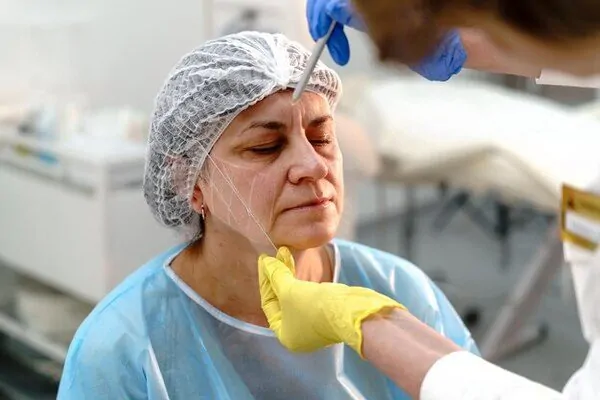
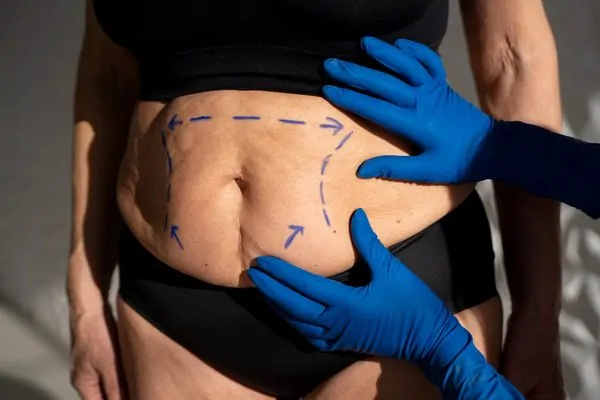
Most plastic surgery procedures rate between 2-6 on a 10-point pain scale, with pain levels varying significantly by procedure type and individual factors. Rhinoplasty causes minimal pain at 2-3 out of 10 mainly from congestion rather than surgical discomfort, breast augmentation produces manageable chest tightness and soreness at 3-5 out of 10, facelifts create mild discomfort from swelling at 3-5 out of 10, liposuction varies from 3-6 depending on treatment area extent, and tummy tucks generate moderate pain from muscle tightening at 4-6 out of 10. Modern anesthesia techniques and comprehensive pain management protocols make recovery manageable for 90% of patients, with discomfort typically controlled through prescription medications during initial healing and over-the-counter options as recovery progresses.
Your pain experience depends on five key factors beyond the procedure itself: individual pain tolerance which varies significantly between patients, procedure invasiveness with more extensive surgeries causing greater discomfort, anesthesia type used including local for targeted numbness versus general for complete unconsciousness, post-surgery care quality including adherence to medication schedules and rest protocols, and mental preparation with realistic expectations reducing anxiety that amplifies pain perception. Advanced surgical techniques including minimally invasive approaches reduce recovery time by 30-50% compared to traditional methods, while personalized pain management plans combining medications with non-medical strategies like cold compresses, proper rest positioning, and relaxation techniques ensure optimal comfort throughout the healing process.
When considering plastic surgery, it’s important to recognize that pain is a subjective experience, what feels mild to one person may be intense to another. While discomfort is a natural part of any surgical process, the level of pain experienced often depends on several factors, including the type of procedure performed and an individual’s personal pain threshold.
Plastic surgery covers a wide spectrum of procedures, such as breast augmentation, tummy tucks, facelifts, and rhinoplasty. Each procedure varies in terms of invasiveness and recovery requirements, which can impact how much discomfort is felt. For example, a minimally invasive procedure may involve less pain and a shorter recovery time compared to a more complex surgery.
Pain threshold plays a significant role in how individuals perceive and tolerate discomfort. This refers to the point at which pain becomes noticeable or intolerable. While some people naturally have a higher tolerance for pain, others may experience discomfort more intensely. Factors such as age, previous exposure to pain, and overall physical and mental well-being can all influence pain perception.
It’s also worth noting that cosmetic surgery isn’t just about physical changes, it’s often about boosting self-confidence and enhancing quality of life. For many, the temporary discomfort associated with surgery is a small trade-off for long-term improvements in appearance and self-esteem. Thanks to advancements in surgical methods and pain management strategies, many patients now experience reduced pain both during and after their procedures.
While the idea of pain may feel intimidating, it’s important to understand that discomfort is usually manageable and short-lived. Having realistic expectations and discussing pain management options with your surgeon can help make the process more comfortable and less daunting.
When it comes to plastic surgery, the way you approach the experience mentally can significantly influence how you perceive pain. Expectations play a critical role in shaping the discomfort felt before and after a procedure. Fear of pain, in particular, can intensify feelings of anxiety and stress, which may heighten your perception of discomfort both physically and emotionally.
The good news? The pain many patients expect is often far greater than the reality. Modern plastic surgery techniques have made procedures much less invasive, and the use of anesthesia ensures that patients remain comfortable throughout the surgery. Many advancements in surgical tools and methods have also led to shorter recovery periods and less postoperative pain.
Managing your expectations and addressing any fears ahead of time can greatly improve your overall experience. An open conversation with your surgeon about your concerns and what to expect can go a long way in easing anxiety. Surgeons are trained not only to minimize pain through effective pain management techniques but also to provide you with the information you need to feel confident about your recovery.
By taking the time to prepare mentally and understand the process, you can reduce unnecessary stress and make your plastic surgery journey a more comfortable and positive experience.
Pain levels following plastic surgery can vary widely, depending on the type of procedure, individual pain tolerance, and the techniques used. While everyone’s experience is unique, some procedures are generally associated with higher or lower levels of discomfort. Below is a comparison of pain levels for a few common plastic surgeries to help you better understand what to expect:
It’s important to keep in mind that these pain levels are subjective and can vary significantly between individuals. Factors like pain threshold, overall health, and the type of surgical technique used (e.g., traditional vs. minimally invasive) can all influence the level of discomfort a patient experiences.
Additionally, advancements in plastic surgery techniques and personalized pain management strategies have made recovery more manageable than ever before. Many surgeons provide tailored pain relief plans, including medications and post-operative care instructions, to help ensure that recovery is as comfortable as possible.
If you’re considering a procedure, it’s a good idea to have an open discussion with your surgeon about what to expect in terms of discomfort and recovery. This will allow you to plan ahead, address any concerns, and feel confident about your journey toward achieving your aesthetic goals.
Anesthesia is a critical component of plastic surgery, designed to manage pain and ensure patient comfort throughout the procedure. Plastic surgery relies on three primary types of anesthesia: local anesthesia, regional anesthesia, and general anesthesia. Each option is carefully chosen based on the specific procedure and the patient’s unique needs. Here’s a closer look at how these anesthesia types impact pain and recovery.
Local Anesthesia for Minimally Invasive Procedures
Local anesthesia is frequently used for minimally invasive surgeries. This type of anesthesia numbs a specific area of the body, effectively blocking pain sensations while keeping the patient awake during the procedure. Common procedures that utilize local anesthesia include eyelid surgery (blepharoplasty) and liposuction.
One key benefit of local anesthesia is the reduced downtime, as patients remain conscious and can often recover more quickly. For those who may feel anxious, oral sedatives can be prescribed to help them relax. While mild soreness or discomfort may occur post-procedure, over-the-counter pain medications are typically sufficient for relief. Overall, local anesthesia provides targeted pain management and is well-suited for less invasive surgeries.
General Anesthesia for Complex Surgeries
For more extensive procedures, general anesthesia is often necessary. This form of anesthesia places the patient in a deep sleep, ensuring they are completely unaware of the surgery and unable to feel any pain. General anesthesia is administered via an IV or a breathing tube, and an anesthesiologist continuously monitors the patient’s vital signs throughout the procedure.
General anesthesia is ideal for surgeries involving larger incisions or longer durations, such as tummy tucks or facelifts. After the procedure, patients may experience temporary grogginess and may require additional time to recover from the effects of the medication. Pain management during the post-operative period is typically handled with prescription pain relievers. The use of general anesthesia allows for complex surgical procedures to be performed with both safety and comfort in mind.
Factors That Affect Pain Tolerance in Surgery
Pain tolerance can vary significantly from person to person, and several factors play a role in how patients perceive pain during and after surgery. These factors include:
By considering these variables, patients and their surgical team can work together to create an individualized pain management plan that aligns with the patient’s specific needs.
A patient’s mental state can greatly influence their perception of pain during the recovery process. Stress, anxiety, or poor mental health can amplify the sensation of pain, while a positive mindset can improve pain tolerance.
To manage pain more effectively, it’s important to adhere to the prescribed post-operative plan, which may include taking pain medication as directed and attending follow-up appointments. Additionally, open communication with your surgeon can help address concerns and reduce anxiety.
Incorporating stress-reducing activities, such as meditation, deep breathing, or light exercise, may also improve your overall recovery experience. A calm, focused approach to recovery promotes better pain management and contributes to a smoother healing process.
Pain sensitivity varies from person to person, shaped by unique physical factors. Your pain threshold, essentially the point at which discomfort becomes noticeable, can play a big role. Some people naturally tolerate more, while others may feel pain more acutely.
The area being treated is another key factor. Regions like the face or abdomen are often more sensitive compared to other parts of the body. Fortunately, modern techniques like nerve blockers or regional anesthesia can minimize discomfort during and after surgery by targeting specific areas for numbing.
By understanding these influences, surgeons can tailor pain management strategies to suit individual needs, ensuring a smoother, more comfortable recovery journey.
Managing pain after plastic surgery is a vital component of the recovery process. Skilled surgeons implement a range of strategies, combining medication and non-medical approaches, to ensure that patients recover comfortably and safely. Tailoring these strategies to each patient’s specific needs helps facilitate healing while minimizing discomfort.
Pain medication is a cornerstone of recovery during the early stages after surgery. Depending on the type of procedure and the intensity of discomfort, surgeons may prescribe a combination of opioids or non-opioid alternatives. Adhering to the prescribed dosage and schedule is essential for effective pain control and patient safety.
The primary goal of medication is to alleviate discomfort while enabling the patient to rest, recover, and gradually resume normal activities. Proper pain management not only enhances comfort but also contributes to a smoother overall recovery.
While medications are effective, incorporating non-medical techniques can further aid in managing pain and expediting the healing process. These methods focus on reducing swelling, improving circulation, and fostering overall well-being.
1. Cold Compresses
Applying cold compresses to the surgical site can help reduce swelling and numb localized discomfort. This simple technique can be particularly effective during the first few days after surgery.
2. Rest and Positioning
Rest is critical for healing. Elevating the surgical site as recommended by the surgeon can help minimize swelling and promote circulation.
3. Gentle Movement
Engaging in light activity, such as short walks, can prevent stiffness and improve blood flow. Gradual increases in physical movement, as advised by the surgeon, can contribute to both pain management and faster recovery.
4. Relaxation Techniques
Practices such as deep breathing, mindfulness, or meditation can help patients manage stress and improve pain tolerance. Lower stress levels can have a positive impact on the overall recovery experience.
5. Emotional Support
Support from loved ones plays an important role in reducing stress and promoting a positive mindset during recovery. A calm, supportive environment can significantly enhance the healing process.
By integrating these non-medical techniques into their recovery plan, patients can better manage their pain and foster a more comfortable healing journey. Always consult with the surgeon before adopting new techniques to ensure they align with the recovery guidelines.
No two recoveries are the same. A personalized pain management plan, created in collaboration with the surgeon, ensures that each patient’s unique needs are addressed. Factors such as the specific procedure performed, the patient’s pain tolerance, and their overall health will all influence the approach.
Open and ongoing communication is key to ensuring a smooth recovery. Whether it’s adjusting medication, modifying activity levels, or addressing concerns, patients should feel empowered to work closely with their surgeon to optimize their healing experience.
Effective pain management is not just about eliminating discomfort, it’s about supporting the body’s natural healing process while helping patients return to their daily lives feeling strong and confident.
While pain tolerance varies from person to person, certain plastic surgery procedures are associated with specific pain profiles due to the nature of the surgical techniques involved. Understanding what to expect can help patients better prepare for their recovery and manage discomfort effectively. Below, we’ll explore the recovery experiences of two commonly performed procedures: breast augmentation and rhinoplasty.
Breast augmentation is one of the most sought-after cosmetic procedures, designed to enhance the size and contour of the breasts. While this surgery is typically well-tolerated, it is normal for patients to experience mild to moderate discomfort during recovery.
With proper care and adherence to post-operative instructions, patients generally experience a smooth recovery and are able to enjoy the results of their breast augmentation within a few short weeks.
Rhinoplasty, commonly referred to as a “nose job,” is another popular procedure that reshapes or enhances the nose’s appearance and function. While this surgery generally causes moderate discomfort, most patients find it manageable with the right recovery plan.
By closely following the surgeon’s post-operative care instructions, rhinoplasty patients can minimize discomfort, ensure proper healing, and achieve the desired results.
Both breast augmentation and rhinoplasty involve some level of discomfort during recovery, but the pain is temporary and typically well-controlled with prescribed medications and non-medical techniques. Having a clear understanding of what to expect and communicating openly with your surgeon can help ensure a smoother recovery process.
With proper planning, adherence to post-operative guidelines, and patience, most patients find that the initial discomfort is well worth the transformative and long-lasting results these procedures provide.
Plastic surgery offers more than just physical transformations, it can profoundly affect an individual’s self-esteem and overall confidence. By addressing specific concerns or insecurities, plastic surgery helps patients achieve not only their aesthetic goals but also a renewed sense of self-assurance. While the physical changes are evident, the emotional and psychological benefits often have an equally meaningful impact.
Many individuals pursue plastic surgery to resolve long-standing insecurities about their appearance. Whether it’s reshaping a feature they’ve always been self-conscious about or restoring their body’s appearance after significant life changes, addressing these concerns can have a significant psychological payoff.
Confidence gained through plastic surgery can positively influence various aspects of a person’s life. Improved self-esteem often leads to better relationships, increased motivation at work, and a more active social life. The ability to present oneself confidently can open doors to opportunities and improve overall happiness.
However, it’s important to recognize that plastic surgery is not a one-size-fits-all solution. While it can enhance physical appearance and boost self-esteem, it is not designed to address underlying emotional challenges or deeply rooted insecurities. Patients with realistic expectations often experience the most satisfaction and lasting benefits from their procedures.
Choosing the right surgeon is a critical step in ensuring both physical and emotional satisfaction with the procedure. A qualified and compassionate surgeon will:
Set Realistic Expectations: Managing expectations is key to ensuring that the outcomes align with what the patient envisions. Open and honest communication helps patients approach their transformation with a balanced mindset.
Plastic surgery can be a powerful tool for enhancing self-esteem, but it’s important for patients to approach it with realistic goals. While the procedure can address physical concerns and foster emotional well-being, it should not be viewed as a solution to deeper emotional challenges.
By working closely with a qualified surgeon, patients can ensure that their decision is rooted in realistic expectations and a desire for personal growth. When approached thoughtfully, plastic surgery has the potential to not only enhance appearance but also empower individuals with the confidence to live their lives fully and authentically.
Pain is an important aspect to consider when approaching plastic surgery, but it doesn’t have to be overwhelming. By focusing on individualized care and proper planning, you can take control of your recovery process. Understanding how your body and mind respond to discomfort is key to fostering a positive healing experience.
Balancing expectations with practical strategies, like effective anesthesia options and post-surgery support, can make a significant difference. The confidence and self-esteem gained from achieving your aesthetic goals often outweigh temporary discomfort. Preparing holistically and seeking guidance from compassionate professionals ensures a smoother path to your transformation. Reach out to Formation for personalized care and insights today.
Recovery time depends on the procedure, but most patients can resume light activities within a week, while full recovery may take several weeks to months. Following your surgeon’s guidelines ensures a smoother healing process and optimal results.
Use prescribed scar creams, keep incisions clean, and avoid sun exposure to support proper healing. Following your surgeon's aftercare instructions is crucial for minimizing scars and achieving the best aesthetic outcome.
Yes, many patients opt for combination surgeries like a tummy tuck and liposuction to save time and recovery effort. Your surgeon will assess your health and goals to determine if combining procedures is safe and suitable for you.
Light walking is often encouraged within the first few days, but strenuous exercise is typically avoided for 4-6 weeks. Always consult your surgeon before resuming physical activities to prevent complications and ensure proper healing.
A balanced diet rich in protein, vitamins, and hydration is essential for recovery. Foods like lean meats, fresh fruits, vegetables, and plenty of water help support tissue repair and reduce inflammation.
The last one got 11/10.
Some of the biggest factors affecting liposuction results have nothing to do with what happens in the operating room.
Dr. Gopal rates 13 factors that can influence the final result, from working out before surgery and maintaining a stable weight to compression garments, skin elasticity, and lymphatic massage.
A few of his ratings might surprise you.
For example, he rates skin elasticity a 10/10 because even after the fat is removed, the skin still needs to contract and settle over the new contour.
And lymphatic massage? He gives it an 11/10 because of the role it plays in his recovery protocol, helping manage swelling and supporting how the skin settles over the newly sculpted areas.
The takeaway: great liposuction results depend on more than the surgery itself.
Patient preparation, anatomy, recovery, and long-term weight maintenance all play a role.
Considering liposuction or high-definition liposuction in Tampa?
Schedule a consultation with Dr. Gopal Grandhige at Formation Tampa. Link in bio.
#Liposuction #HDLiposuction #LiposuctionRecovery #LipoAftercare #tampa
The last one got 11/10.
Some of the biggest factors affecting liposuction results have nothing to do with what happens in the operating room.
Dr. Gopal rates 13 factors that can influence the final result, from working out before surgery and maintaining a stable weight to compression garments, skin elasticity, and lymphatic massage.
A few of his ratings might surprise you.
For example, he rates skin elasticity a 10/10 because even after the fat is removed, the skin still needs to contract and settle over the new contour.
And lymphatic massage? He gives it an 11/10 because of the role it plays in his recovery protocol, helping manage swelling and supporting how the skin settles over the newly sculpted areas.
The takeaway: great liposuction results depend on more than the surgery itself.
Patient preparation, anatomy, recovery, and long-term weight maintenance all play a role.
Considering liposuction or high-definition liposuction in Tampa?
Schedule a consultation with Dr. Gopal Grandhige at Formation Tampa. Link in bio.
#Liposuction #HDLiposuction #LiposuctionRecovery #LipoAftercare #tampa
Six to seven hours.
That’s how long an HD liposuction procedure can take with Dr. Gopal’s approach.
He’s not simply removing fat. He’s evaluating every square inch, considering the underlying anatomy, and shaping how each contour transitions into the next.
It’s detailed, physically demanding work.
So when Dr. Gopal says, “Someone’s gotta sweat for the fat to come off,” he means it.
Considering HD liposuction in Tampa? Schedule a consultation (link in bio).
#HDLiposuction #HighDefinitionLiposuction
Six to seven hours.
That’s how long an HD liposuction procedure can take with Dr. Gopal’s approach.
He’s not simply removing fat. He’s evaluating every square inch, considering the underlying anatomy, and shaping how each contour transitions into the next.
It’s detailed, physically demanding work.
So when Dr. Gopal says, “Someone’s gotta sweat for the fat to come off,” he means it.
Considering HD liposuction in Tampa? Schedule a consultation (link in bio).
#HDLiposuction #HighDefinitionLiposuction
Will neck lipo give you the jawline you want?
It depends…
Someone can have fullness under the chin and assume the answer is neck liposuction. But what looks like “fat” from the outside can actually come from several different structures.
Some fat sits directly beneath the skin and can respond very well to liposuction.
But fullness can also come from deeper fat beneath the platysma, the salivary glands under the jaw, muscles under the chin, or even the natural projection of the chin and jaw itself.
That distinction can completely change what neck liposuction can realistically accomplish.
This is why evaluating the anatomy matters before deciding on a procedure.
For the right anatomy, neck liposuction can create a significant change in the neck and jawline.
But when deeper structures are contributing to the fullness, liposuction alone may not create the contour someone is expecting.
A good neck lipo consultation should figure that out first.
Schedule a consultation with **Dr. Gopal Grandhige at Formation Tampa.** Link in bio.
#NeckLipo #NeckLiposuction #DoubleChin #JawlineContouring #NeckContouring
Will neck lipo give you the jawline you want?
It depends…
Someone can have fullness under the chin and assume the answer is neck liposuction. But what looks like “fat” from the outside can actually come from several different structures.
Some fat sits directly beneath the skin and can respond very well to liposuction.
But fullness can also come from deeper fat beneath the platysma, the salivary glands under the jaw, muscles under the chin, or even the natural projection of the chin and jaw itself.
That distinction can completely change what neck liposuction can realistically accomplish.
This is why evaluating the anatomy matters before deciding on a procedure.
For the right anatomy, neck liposuction can create a significant change in the neck and jawline.
But when deeper structures are contributing to the fullness, liposuction alone may not create the contour someone is expecting.
A good neck lipo consultation should figure that out first.
Schedule a consultation with **Dr. Gopal Grandhige at Formation Tampa.** Link in bio.
#NeckLipo #NeckLiposuction #DoubleChin #JawlineContouring #NeckContouring
Want more definition than workouts gave you?
Traditional liposuction focuses primarily on removing fat. HD liposuction goes further. It requires understanding the underlying muscle anatomy, where to remove fat, where to preserve it, and how each contour works together to create natural-looking definition.
That’s the art of it. The goal isn’t to give every patient the same abs or the same body. It’s to work with the anatomy that’s already there and determine how much definition will look right for that individual.
Dr. Gopal Grandhige specializes in high-definition liposuction and advanced body contouring, using nearly two decades of surgical experience to create results that look sculpted, athletic, and intentional.
Considering HD liposuction in Tampa?
Schedule a consultation with Dr. Gopal at Formation Tampa. Link in bio.
#HDLiposuction #HighDefinitionLiposuction #Liposuction #BodyContouring #Tampa
Want more definition than workouts gave you?
Traditional liposuction focuses primarily on removing fat. HD liposuction goes further. It requires understanding the underlying muscle anatomy, where to remove fat, where to preserve it, and how each contour works together to create natural-looking definition.
That’s the art of it. The goal isn’t to give every patient the same abs or the same body. It’s to work with the anatomy that’s already there and determine how much definition will look right for that individual.
Dr. Gopal Grandhige specializes in high-definition liposuction and advanced body contouring, using nearly two decades of surgical experience to create results that look sculpted, athletic, and intentional.
Considering HD liposuction in Tampa?
Schedule a consultation with Dr. Gopal at Formation Tampa. Link in bio.
#HDLiposuction #HighDefinitionLiposuction #Liposuction #BodyContouring #Tampa
Defined abs with HD liposuction.
Unlike traditional liposuction, where the primary goal is removing excess fat, HD liposuction is about strategically removing fat to reveal and enhance the underlying muscle structure.
Those markings you see before surgery help Dr. Gopal map out the patient’s anatomy and plan where to remove fat and where to preserve it to create more visible definition.
The second clip was taken immediately after surgery, so this is not the final result. Swelling and bruising will change significantly as the body heals and the final contour develops over the months that follow.
Considering high-definition liposuction? Schedule a consultation with Dr. Gopal Grandhige at Formation Tampa. Link in bio.
#HDLiposuction #HighDefinitionLiposuction #Liposuction #BodyContouring #MaleLiposuction
Defined abs with HD liposuction.
Unlike traditional liposuction, where the primary goal is removing excess fat, HD liposuction is about strategically removing fat to reveal and enhance the underlying muscle structure.
Those markings you see before surgery help Dr. Gopal map out the patient’s anatomy and plan where to remove fat and where to preserve it to create more visible definition.
The second clip was taken immediately after surgery, so this is not the final result. Swelling and bruising will change significantly as the body heals and the final contour develops over the months that follow.
Considering high-definition liposuction? Schedule a consultation with Dr. Gopal Grandhige at Formation Tampa. Link in bio.
#HDLiposuction #HighDefinitionLiposuction #Liposuction #BodyContouring #MaleLiposuction
Skin quality changes everything.
Neck liposuction can create a more defined jawline and neck contour by removing unwanted fat, but the result also depends heavily on skin quality and elasticity.
When skin has good elasticity, neck lipo alone may be enough for the skin to contract around the new contour. With some skin laxity, Dr. Gopal may combine liposuction with a skin-tightening treatment such as Renuvion or FaceTite. With significant laxity, a neck lift may be the more appropriate option.
That’s why evaluating the skin is an important part of determining the right approach before neck liposuction.
Considering neck liposuction in Tampa? Schedule a consultation with Dr. Gopal Grandhige at Formation Tampa.
#NeckLiposuction #NeckLipo #JawlineContouring #Tampa
Skin quality changes everything.
Neck liposuction can create a more defined jawline and neck contour by removing unwanted fat, but the result also depends heavily on skin quality and elasticity.
When skin has good elasticity, neck lipo alone may be enough for the skin to contract around the new contour. With some skin laxity, Dr. Gopal may combine liposuction with a skin-tightening treatment such as Renuvion or FaceTite. With significant laxity, a neck lift may be the more appropriate option.
That’s why evaluating the skin is an important part of determining the right approach before neck liposuction.
Considering neck liposuction in Tampa? Schedule a consultation with Dr. Gopal Grandhige at Formation Tampa.
#NeckLiposuction #NeckLipo #JawlineContouring #Tampa
Liposuction can change more than the body.
I’ve watched patients become more confident, make changes in their careers, show up differently in their relationships, and start making different choices for themselves.
That’s when I know I’ve done my job well.
Because high-definition liposuction isn’t only about creating a leaner, more defined physique. Sometimes the physical transformation becomes the catalyst for changes that reach far beyond the operating room.
Dr. Gopal Grandhige
Considering HD liposuction in Tampa? Schedule a consultation with Dr. Gopal Grandhige at Formation Tampa.
#BodyContouring #HDLiposuction #tampa #Liposuction
Liposuction can change more than the body.
I’ve watched patients become more confident, make changes in their careers, show up differently in their relationships, and start making different choices for themselves.
That’s when I know I’ve done my job well.
Because high-definition liposuction isn’t only about creating a leaner, more defined physique. Sometimes the physical transformation becomes the catalyst for changes that reach far beyond the operating room.
Dr. Gopal Grandhige
Considering HD liposuction in Tampa? Schedule a consultation with Dr. Gopal Grandhige at Formation Tampa.
#BodyContouring #HDLiposuction #tampa #Liposuction
Male liposuction requires a different approach.
The contours that create a more feminine shape aren’t necessarily the same ones that create a strong, athletic male physique.
With male high-definition liposuction, Dr. Gopal considers how the chest, abdomen, waist, ribs and back work together—and how the underlying muscle anatomy should guide where definition and shadow are created.
That’s also why the chest matters. A highly defined abdomen and back paired with a rounder, less-defined chest can make the overall result feel out of proportion.
The goal is a cohesive, athletic contour that works with the patient’s natural anatomy.
Considering male HD liposuction? Schedule a consultation with Dr. Gopal Grandhige at Formation Tampa.
Male liposuction requires a different approach.
The contours that create a more feminine shape aren’t necessarily the same ones that create a strong, athletic male physique.
With male high-definition liposuction, Dr. Gopal considers how the chest, abdomen, waist, ribs and back work together—and how the underlying muscle anatomy should guide where definition and shadow are created.
That’s also why the chest matters. A highly defined abdomen and back paired with a rounder, less-defined chest can make the overall result feel out of proportion.
The goal is a cohesive, athletic contour that works with the patient’s natural anatomy.
Considering male HD liposuction? Schedule a consultation with Dr. Gopal Grandhige at Formation Tampa.
Choosing a liposuction surgeon isn’t just about looking at before-and-afters.
Liposuction isn’t simply about removing fat. Decisions around how much to remove, which areas to treat, skin quality, post-op care and recovery can all influence the approach to your result.
How a surgeon answers these questions can tell you a lot about how they think, plan and care for their patients.
Save these 6 questions for your next consultation.
Considering liposuction? DM us or schedule a consultation with Dr. Gopal Grandhige at Formation Tampa.
#tampa #hdliposuction #liposuction #bodycountouring
Choosing a liposuction surgeon isn’t just about looking at before-and-afters.
Liposuction isn’t simply about removing fat. Decisions around how much to remove, which areas to treat, skin quality, post-op care and recovery can all influence the approach to your result.
How a surgeon answers these questions can tell you a lot about how they think, plan and care for their patients.
Save these 6 questions for your next consultation.
Considering liposuction? DM us or schedule a consultation with Dr. Gopal Grandhige at Formation Tampa.
#tampa #hdliposuction #liposuction #bodycountouring
6 months post high-definition liposuction with moderate definition.
The goal wasn’t just less fat. It was a leaner, more athletic contour with visible definition through the abdomen and torso, without pushing the result to the highest level of definition.
High-definition liposuction strategically sculpts around the underlying anatomy and can be customized based on a patient’s anatomy, muscle structure, and the degree of definition they want to achieve.
For this patient, moderate definition created the balance Dr. Gopal was looking for.
Results vary by patient and depend on individual anatomy, skin quality, and treatment plan.
Considering HD liposuction? Schedule a consultation with Dr. Gopal Grandhige at Formation Tampa. Link in bio.
#HDLiposuction #Liposuction #BodyContouring #MaleLiposuction #tampa

6 months post high-definition liposuction with moderate definition.
The goal wasn’t just less fat. It was a leaner, more athletic contour with visible definition through the abdomen and torso, without pushing the result to the highest level of definition.
High-definition liposuction strategically sculpts around the underlying anatomy and can be customized based on a patient’s anatomy, muscle structure, and the degree of definition they want to achieve.
For this patient, moderate definition created the balance Dr. Gopal was looking for.
Results vary by patient and depend on individual anatomy, skin quality, and treatment plan.
Considering HD liposuction? Schedule a consultation with Dr. Gopal Grandhige at Formation Tampa. Link in bio.
#HDLiposuction #Liposuction #BodyContouring #MaleLiposuction #tampa