

The best exercises after a tummy tuck follow a phased approach that matches your body’s healing timeline. During the first few weeks, gentle walking, light stretching, and breathing exercises promote circulation without straining your incision. Between one and three months post-op, you can add aquatic therapy, stationary biking, and indirect core exercises like pelvic tilts. After three months, more demanding workouts including full body routines and direct abdominal exercises become appropriate, while high-impact activities like running should wait until at least six months.
Your recovery depends on listening to your body and following your surgeon’s guidance at each stage. Warning signs like increased pain, swelling, or fatigue mean you need to scale back. Working with Dr. Gopal Grandhige at Formation in Tampa ensures your exercise progression aligns with your specific healing status and surgical results.
This guide walks you through the complete timeline of post-tummy tuck exercise, from initial recovery movements to advanced workouts, along with the restrictions you need to follow and red flags to watch for along the way.
Following a tummy tuck, gradually returning to physical activity isn’t just helpful, it’s a critical part of your recovery journey. The right exercises can significantly support your healing by boosting blood circulation and helping ward off complications like blood clots.
During the initial post-operative phase, the main objective is to encourage effective blood flow without placing strain on healing tissues. Gentle movements serve a crucial purpose here because they stimulate circulation throughout the body, which is essential not only for recovery but also for preventing blood clots. These movements help keep your circulatory system functioning properly, which can slow down during extended periods of rest.
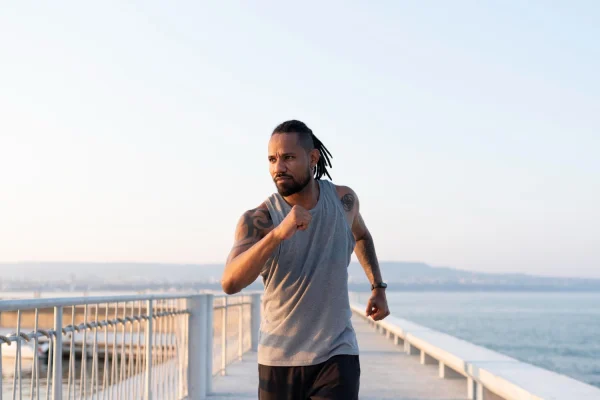
Walking is one of the safest methods to bring activity back into your routine after surgery. Begin with short walks inside your home. At first, these might last just a few minutes several times throughout the day, depending on your pain levels and overall energy. Gradually extend the duration as your recovery moves forward, working toward longer outdoor walks as you feel more capable. By the end of the first month, if everything is progressing well, you might be walking 20 to 30 minutes at a stretch, once or twice daily. It’s important to pay attention to what your body is telling you and stop if you feel any discomfort.
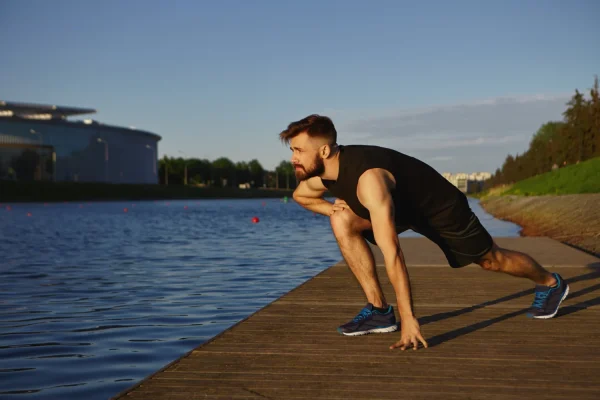
Adding light stretching early in your recovery can help preserve muscle flexibility and ease tension in areas that may be compensating for your abdominal muscles. Concentrate on gentle, non-abdominal stretches targeting your arms, back, and legs. For instance, you can safely do seated toe touches, overhead arm stretches, or neck rotations. Begin with low intensity and brief sessions to make sure no pressure is placed on your abdominal region. Practice stretching daily, slowly increasing the complexity and range of motion as your healing allows.
Breathing exercises are especially valuable after abdominoplasty because they help expand the lungs and keep the chest cavity engaged, thereby preventing respiratory complications like pneumonia. They also contribute to stress reduction and can assist with pain management. Start with straightforward techniques such as diaphragmatic breathing, where you breathe deeply into the belly rather than the chest. Sit in a comfortable chair or lie down, place one hand on your upper chest and the other just below your rib cage. Inhale slowly through your nose, allowing your stomach to push your hand outward, then exhale through pursed lips. Practice these exercises several times daily, particularly if you’re feeling anxious or if your chest feels constricted.
These initial exercises are designed to align with your body’s natural healing timeline, supporting recovery while protecting the integrity of the surgical work performed. Each step forward should be approached with care, always staying mindful of your body’s signals.
Once you move beyond the initial recovery stage after a tummy tuck, you can begin ramping up your activity levels. This phase plays a key role in building strength, boosting stamina, and supporting continued healing. That said, you need to assess your readiness for more demanding exercise carefully and add new activities step by step.
A solid sign that your body may be prepared for more challenging activities is a noticeable reduction in swelling and discomfort around the surgical area. You might also notice improved energy levels and the ability to handle daily tasks without feeling exhausted or experiencing pain. Your scar tissue should be healing properly, with incisions starting to appear less prominent.
Listening to your body means paying close attention to the signals it sends during and after exercise. Warning signs that you might be overdoing it include sharp pains, increased swelling, or wound reopening. Watch for subtler indicators too, such as ongoing fatigue or discomfort that persists for several hours or days after working out. If you experience any of these symptoms, consider dialing back the intensity of your workouts or taking a complete break from exercise.
Aquatic therapy offers significant benefits during this recovery phase. Water’s buoyancy reduces strain on the body by supporting your weight, which means less stress on your healing abdomen. Water also provides natural resistance that helps strengthen muscles without requiring weights. Activities like water walking or gentle swimming can improve cardiovascular health, enhance muscle tone, and increase flexibility. The Cleveland Clinic notes that gradual activity progression supports optimal body contouring outcomes. Start with sessions lasting no longer than 20 to 30 minutes, and focus on movements that feel comfortable without straining your abdominal area.
Stationary biking serves as another excellent low-impact cardio option. It allows you to work your legs and cardiovascular system without jarring movements that could interfere with your recovery. Begin with a comfortable seat setting that doesn’t overstretch the abdominal muscles. Keep resistance low at first and maintain a steady, gentle pace. Gradually increase both the duration and intensity of your biking sessions as your endurance improves and as long as it doesn’t cause discomfort. Patients interested in enhancing their results may also consider non-invasive neck and jawline contouring once fully healed.
Core strength matters after a tummy tuck, but you must approach it with caution. Start with exercises that engage the core indirectly, such as pelvic tilts or leg slides, which offer a gentle introduction for your abdominal muscles. Always perform these exercises on a flat, supportive surface. As your strength increases, you can gradually add more direct core exercises like modified planks or bridge poses. Avoid any movement that causes pulling or pain in the incision area. Always consult with Dr. Gopal Grandhige to confirm that the exercises and timing align with your specific recovery status.
Working these activities into your recovery process can significantly improve your overall healing and help you return to normal function. For patients interested in comprehensive body contouring for men, maintaining an active recovery supports long-term aesthetic results.
Once you pass the three-month milestone following your tummy tuck surgery, you can begin incorporating more demanding exercises into your fitness routine. This phase focuses on building strength, boosting endurance, and further improving both the look and function of your core. That said, it’s still important to stay mindful of any lingering limitations your body may have and to proceed carefully in areas that require extra attention.
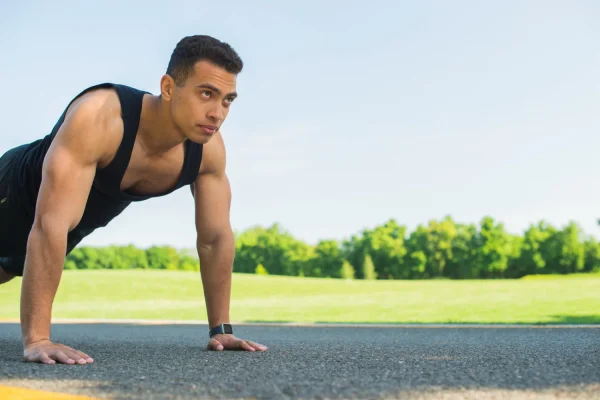
Full body workouts should be structured to engage multiple muscle groups without placing excessive strain on your abdominal region. Include exercises that promote overall strength and cardiovascular fitness, such as cycling, rowing, and light weightlifting. Yoga or Pilates are also excellent additions for improving flexibility and core stability.
When putting together these workouts, continue steering clear of exercises that create significant impact or pressure on your abdomen. Heavy weightlifting, particularly movements like deadlifts or squats, should be approached carefully. Stay away from rapid twisting motions or intense core routines that could strain your abdominal muscles. The American Society of Plastic Surgeons emphasizes following patient safety guidelines during post-surgical recovery to protect your results.
Slowly ramping up the intensity of abdominal exercises is essential for safely strengthening your core. Begin with exercises requiring gentle contraction of the abdominal muscles, such as seated ball twists or standing pelvic tilts. As you build strength, you can progress to more challenging movements like bicycle crunches or planks. Make sure these exercises don’t cause any discomfort or pain in your surgical area.
Always perform these movements with proper form to prevent unnecessary strain. Working with a fitness professional who can guide your technique and progression is highly beneficial, helping you protect your surgical results while continuing to advance. Patients who have also undergone liposuction may need additional time before progressing to intense abdominal work.
Getting back to high-impact activities like running, jumping, or contact sports should happen with extreme caution and ideally not before six months post-surgery. When you do begin, start at low intensity and for short periods to see how your body responds. Watch for any signs of pain or swelling and scale back immediately if either occurs.
Before returning to high-impact activities, make sure you’ve rebuilt enough core strength to support these movements. Gradual progression will help your body adapt without raising your risk of injury. Hopkins Medicine recommends allowing adequate healing time before resuming strenuous physical activity after body contouring procedures.
As you expand your exercise routine, continuous monitoring remains essential. Pay close attention to how your body feels after each workout. Signs like persistent fatigue, discomfort, or pain indicate you need to adjust the intensity or type of exercise you’re doing.
Stay in regular contact with Dr. Gopal Grandhige throughout this phase. He can provide valuable guidance based on the specifics of your surgery and your overall health. As you progress, periodic check-ins with Dr. Grandhige will help ensure your activity level and exercise choices remain appropriate for your stage of recovery. You can view before and after results to see examples of successful recoveries. Some patients also complement their abdominoplasty with PDO thread lifts for facial rejuvenation once their body has fully healed.
Getting a tummy tuck, also known as abdominoplasty, is a major decision that comes with a significant recovery period. The path to complete healing happens in stages and demands close attention to your activity levels and what your body tells you.
Certain activities create risks during recovery and should be avoided to ensure the best possible healing. Heavy lifting and high-impact exercises, such as running and weight training, can significantly increase abdominal pressure. This pressure can cause problems like reopening of the incision or hernias. Likewise, any vigorous activity that causes pain or discomfort in the abdominal area should be avoided, as it may signal that the activity is too demanding.
During the first six weeks, the general recommendation is to avoid lifting anything heavier than a kettle or a small bag of groceries (around 2 to 5 kilograms). Even after this period, progressive weight lifting should be approached with caution. Start with light weights and gradually increase if there’s no discomfort. Always prioritize your body’s response over any urge to speed up your exercise routine. Maintaining a healthy weight through proper nutrition and gradual exercise supports your surgical results.
The secret to getting back into exercise after surgery is taking a gradual approach with both workout intensity and duration. Begin with low-impact activities that put minimal strain on your abdominal region. As your stamina and strength build up, you can slowly introduce more demanding exercises into your routine.
For instance, you might start with walking or gentle swimming, then progressively pick up the pace or incorporate light weights. Giving your body time to adapt to these changes is essential. If you decide to add jogging to your routine, begin with short jogging intervals mixed with walking, then gradually extend your jogging time as you become more comfortable.
Follow a structured progression plan, such as increasing your activity by 10% each week. This could mean lengthening your workout sessions or slightly raising the intensity level. Always base these adjustments on how your body feels and responds to the changes. The Mayo Clinic Health System provides additional guidance on body contouring recovery for patients who have experienced significant weight changes.
Many patients who undergo abdominoplasty also consider complementary procedures. Options like HD liposuction for men or FaceTite can be discussed during follow-up appointments to address other aesthetic goals once you’ve fully recovered. Some patients also enhance their appearance with Botox or injectables as part of their overall transformation.
Paying attention to your body and noticing any warning signs that suggest you’re overdoing it is critical. Maintain a detailed exercise journal and record any pain, swelling, or discomfort that shows up during or after your workouts. Stay alert for physical indicators like unusual redness or openings along the incision line, which need immediate attention from Dr. Gopal Grandhige.
If you notice increased pain or swelling, or if your mobility decreases after introducing new exercises or ramping up workout intensity, these are clear signals to pull back. Other red flags include prolonged fatigue, discomfort that carries over into the following day, or any signs of distress near the surgical site. Responding to these warning signs by lowering exercise intensity or taking a few rest days is important for proper recovery.
Partnering with a physical therapist or certified personal trainer who has experience with post-surgical recovery can make a significant difference. These professionals can customize your exercise program to align with your recovery stage, offer guidance on proper form, and confirm that you’re doing movements that support healing rather than set you back.
A physical therapist can guide you through specific therapeutic movements that build flexibility, strength, and endurance while accounting for your unique surgical results. They can also provide hands-on therapy to help manage scar tissue and verify that your abdominal muscles are healing properly. Research published in Frontiers in Psychology highlights the connection between physical recovery and psychological wellbeing after cosmetic procedures.
Personal trainers who specialize in post-recovery fitness can design a gradual exercise progression that matches your growing capabilities, helping you safely rebuild your strength and confidence in your physical abilities. Understanding how body image evolves during recovery can also help you set realistic expectations for your fitness journey.
Returning to exercise after a tummy tuck requires patience, careful planning, and a commitment to listening to your body throughout every stage of recovery. The process isn’t about rushing back to your pre-surgery fitness level but about rebuilding your strength in a way that protects your surgical results and supports long-term healing.
Starting with gentle movements like walking, light stretching, and breathing exercises during the first few weeks sets a solid foundation. As you progress into the one to three month period, incorporating aquatic therapy, stationary biking, and cautious core work helps you regain stamina without putting your recovery at risk. After three months, you can gradually introduce more demanding workouts, though high-impact activities should wait until at least six months post-surgery.
Working closely with Dr. Gopal Grandhige at Formation in Tampa ensures your exercise choices align with your specific healing timeline. Regular check-ins allow for adjustments based on how your body responds, keeping your recovery on track. Partnering with physical therapists or certified trainers experienced in post-surgical fitness can also provide valuable support as you work toward your goals.
The key takeaway is simple: gradual progression wins over speed. By respecting your body’s limits and following a structured approach, you’ll protect your investment in your tummy tuck while building back the strength and confidence you’re looking for. To learn more about men’s aesthetic surgery in Tampa or to schedule a consultation, contact Formation today. Patients in surrounding areas can also visit our Hyde Park location for personalized care.
You can begin gentle walking within the first few days after surgery, as long as Dr. Gopal Grandhige clears you. More structured exercise typically starts around four to six weeks post-op.
Avoid heavy lifting, running, jumping, intense core workouts, and any movements that create abdominal pressure for at least six weeks. High-impact activities should wait until six months or longer.
Warning signs include increased pain, swelling, prolonged fatigue, discomfort lasting into the next day, or any redness or opening along your incision line. Scale back immediately if you notice these symptoms.
Yes, but not right away. Gentle core engagement exercises like pelvic tilts can start around six to eight weeks post-op. More direct abdominal exercises should wait until after three months, with your surgeon's approval.
Most patients can return to their full workout routine between three to six months after surgery, depending on individual healing. Always get clearance from Dr. Gopal Grandhige before resuming high-intensity activities.
Check out this incredible before and after of our gorgeous patient 6 months following her Female HD Liposculpture! ⏳
While these results are already stunning, here is a little insider secret: she’s not even at her final result yet! Healing from high-definition liposculpture is a journey. Over the next few months, residual swelling will continue to subside, and any temporary skin texture changes or minor discoloration will fully resolve. As the tissues settle, her skin will keep tightening to reveal even more crisp, beautifully defined athletic contours.
We love seeing our patients blossom through their recovery. Patience pays off, and her body will only continue to lean out and lock in over the coming months!
What do you think of her 6-month transformation? Drop a 👇 in the comments!
#BodyContouring #HDLipo #SkinTightening #PostOpHealing
Check out this incredible before and after of our gorgeous patient 6 months following her Female HD Liposculpture! ⏳
While these results are already stunning, here is a little insider secret: she’s not even at her final result yet! Healing from high-definition liposculpture is a journey. Over the next few months, residual swelling will continue to subside, and any temporary skin texture changes or minor discoloration will fully resolve. As the tissues settle, her skin will keep tightening to reveal even more crisp, beautifully defined athletic contours.
We love seeing our patients blossom through their recovery. Patience pays off, and her body will only continue to lean out and lock in over the coming months!
What do you think of her 6-month transformation? Drop a 👇 in the comments!
#BodyContouring #HDLipo #SkinTightening #PostOpHealing
...
PRP (Platelet-Rich Plasma) scalp injections use your own growth factors to reawaken dormant follicles, thicken existing strands, and naturally stimulate regrowth — no surgery, no downtime.
If you’ve been watching your part widen or your ponytail thin, this is your sign. 👇
📍Formation | Tampa
📞 Book your free consultation via the link in bio.
#PRPHairTreatment #HairRestoration #PRPScalpInjections #HairLossSolution #HairGrowth
PRP (Platelet-Rich Plasma) scalp injections use your own growth factors to reawaken dormant follicles, thicken existing strands, and naturally stimulate regrowth — no surgery, no downtime.
If you’ve been watching your part widen or your ponytail thin, this is your sign. 👇
📍Formation | Tampa
📞 Book your free consultation via the link in bio.
#PRPHairTreatment #HairRestoration #PRPScalpInjections #HairLossSolution #HairGrowth
...
Did you know that you can snatch your jaw with Botox?
Use the link in our bio to schedule a consultation so we can discuss all of the ways injectables can benefit YOU
#nefertitilift #botox #tampa
Did you know that you can snatch your jaw with Botox?
Use the link in our bio to schedule a consultation so we can discuss all of the ways injectables can benefit YOU
#nefertitilift #botox #tampa
...
This patient’s transformation showcases the power of combining procedures:
High-Definition Liposculpture + Renuvion® skin tightening with fat transfer to the chest.
HD Lipo goes beyond traditional liposuction to sculpt and define the underlying muscle anatomy, while Renuvion uses helium plasma energy to tighten the skin from the inside out. The fat transfer to the chest adds natural volume and projection for a truly athletic contour.
The work is done. The confidence is his. 💪
📍 Formation Tampa
📲 Book your consultation via the link in bio.
#HDLipo #HighDefinitionLiposuction #Renuvion #BodySculpting #FatTransfer MaleBodyContouring
This patient’s transformation showcases the power of combining procedures:
High-Definition Liposculpture + Renuvion® skin tightening with fat transfer to the chest.
HD Lipo goes beyond traditional liposuction to sculpt and define the underlying muscle anatomy, while Renuvion uses helium plasma energy to tighten the skin from the inside out. The fat transfer to the chest adds natural volume and projection for a truly athletic contour.
The work is done. The confidence is his. 💪
📍 Formation Tampa
📲 Book your consultation via the link in bio.
#HDLipo #HighDefinitionLiposuction #Renuvion #BodySculpting #FatTransfer MaleBodyContouring
...
Six months post extended abdominoplasty, and we are loving these seamless, natural results. By focusing on feminine contours and a refined waistline, we achieved a silhouette that looks as good as it feels.
Proof that surgery can—and should—look effortless.
#NaturalResults #Abdominoplasty #BodyTransformation #Tampa #tummytuck
Six months post extended abdominoplasty, and we are loving these seamless, natural results. By focusing on feminine contours and a refined waistline, we achieved a silhouette that looks as good as it feels.
Proof that surgery can—and should—look effortless.
#NaturalResults #Abdominoplasty #BodyTransformation #Tampa #tummytuck
...
Lift, tighten, and refresh — without going under the knife. ✨ PDO thread lifts are one of the most effective non-surgical treatments for restoring structure to the face. They stimulate collagen production, improve skin texture, and deliver natural-looking results that keep getting better over time. Ready to turn back the clock? Drop your questions below 👇
#PDOThreads #ThreadLift #NonSurgicalLift #CollagenBoost #antiaging
Lift, tighten, and refresh — without going under the knife. ✨ PDO thread lifts are one of the most effective non-surgical treatments for restoring structure to the face. They stimulate collagen production, improve skin texture, and deliver natural-looking results that keep getting better over time. Ready to turn back the clock? Drop your questions below 👇
#PDOThreads #ThreadLift #NonSurgicalLift #CollagenBoost #antiaging
...
A journey that began with dedication, completed with precision. ✨
This patient worked tirelessly to lose weight, only to be left with the final hurdle: skin laxity that diet and exercise couldn`t touch. A circumferential lift was performed to remove the excess tissue "belt" around the entire midsection.
Today, at 12 months post-op, the transformation is complete. It’s not just about a flatter silhouette; it’s about a body that finally matches the strength and hard work they put in. The confidence? Unstoppable. 🏔️
#BodyLift #PostWeightLoss #CircumferentialLift #SkinRemoval #BodyContouring #OneYearPostOp #TransformationTuesday #MyJourney #TampaBay
A journey that began with dedication, completed with precision. ✨
This patient worked tirelessly to lose weight, only to be left with the final hurdle: skin laxity that diet and exercise couldn`t touch. A circumferential lift was performed to remove the excess tissue "belt" around the entire midsection.
Today, at 12 months post-op, the transformation is complete. It’s not just about a flatter silhouette; it’s about a body that finally matches the strength and hard work they put in. The confidence? Unstoppable. 🏔️
#BodyLift #PostWeightLoss #CircumferentialLift #SkinRemoval #BodyContouring #OneYearPostOp #TransformationTuesday #MyJourney #TampaBay
...
Amazing experience at ISSCA, the International Society for Stem Cell Application. Looking forward to implementing these protocols at Formation
#exosomes #stemcells #peptides #healthspan #regenerativemedicine healthisbeauty
Amazing experience at ISSCA, the International Society for Stem Cell Application. Looking forward to implementing these protocols at Formation
#exosomes #stemcells #peptides #healthspan #regenerativemedicine healthisbeauty
...
Why should you be taking Tesamorelin and Ipamorelin together?
#peptides #optimalhealth #optimalperformance #health #selfimprovement
Why should you be taking Tesamorelin and Ipamorelin together?
#peptides #optimalhealth #optimalperformance #health #selfimprovement
...
🩹 Stuck with Nagging Joint Pain? Meet PRP.
If physical therapy or injections haven’t given you the relief you need, it’s time to talk about Platelet-Rich Plasma (PRP).
PRP uses your body’s own natural growth factors to accelerate healing and get you back to doing what you love—faster.
We are also thrilled to introduce Jeffrey Atlas, PA-C, to the Formation team! With deep experience in orthopaedics, Jeffrey is ready to help you navigate your recovery journey with expert care.
Ready to heal? Here’s how to connect:
• 📞 Call/Text: 813-922-2920
• 📥 DM us directly to book a virtual consult.
• 🌐 Visit: www.formationmed.com
#PRP #PlateletRichPlasma #Orthopaedics #SoftTissueInjury #RegenerativeMedicine
🩹 Stuck with Nagging Joint Pain? Meet PRP.
If physical therapy or injections haven’t given you the relief you need, it’s time to talk about Platelet-Rich Plasma (PRP).
PRP uses your body’s own natural growth factors to accelerate healing and get you back to doing what you love—faster.
We are also thrilled to introduce Jeffrey Atlas, PA-C, to the Formation team! With deep experience in orthopaedics, Jeffrey is ready to help you navigate your recovery journey with expert care.
Ready to heal? Here’s how to connect:
• 📞 Call/Text: 813-922-2920
• 📥 DM us directly to book a virtual consult.
• 🌐 Visit: www.formationmed.com
#PRP #PlateletRichPlasma #Orthopaedics #SoftTissueInjury #RegenerativeMedicine
...