
Written By: Dr. Ahmad Saad, Health Content Writer
Medically Reviewed By: Dr. Gopal Grandhige, MD, FACS, Board-Certified Surgeon
Last Reviewed: June 2, 2026
You walked out of your PRP session with a tender scalp and the same question every patient eventually asks: how to know if PRP is working for hair. The honest 5-sign answer looks like this. Less hair on your pillow between weeks 2 and 4. Fine new “baby” hairs along the hairline or part by month 3. Visible density gains between months 4 and 6. Strands that feel thicker between your fingers. A scalp that stops feeling tight and itchy. If three of those land by the 6-month mark, your PRP is doing its job. I’ve watched that pattern play out across hundreds of Tampa scalps at our clinic.
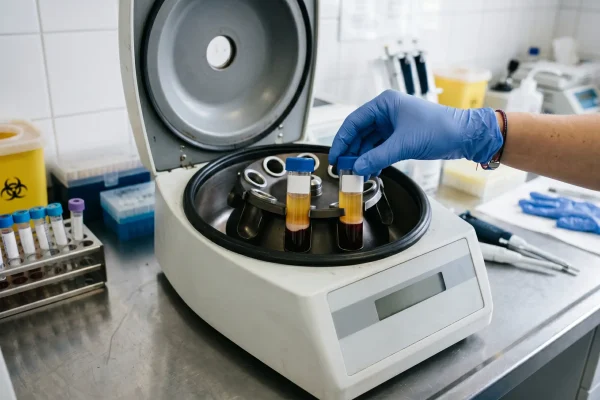
PRP for hair is a regenerative injection that uses a concentrated portion of your own blood to wake up sleeping hair follicles. A small blood draw goes into a centrifuge, your platelets and growth factors separate from everything else, and that platelet-rich plasma gets injected back into your scalp. The US PRP and stem cell alopecia treatment market hit roughly $255 million in 2024 and is projected to reach $438.91 million by 2030 at a 9.46% compound annual growth rate, according to Grand View Research. So no, you’re not chasing a fringe trend.
At Formation, Jeff Atlas, PA-C, handles the injections himself. His prior career was in orthopaedics, where he placed precision injections into joints, tendons, and soft tissue for years. That hand carries over. Dr. Gopal Grandhige founded and runs Formation as a regenerative medicine clinic in Tampa. He’s a board-certified general surgeon who specializes in aesthetic surgery, and he oversees every patient’s plan from intake to follow-up.
One quality marker most clinics skip: Formation holds SSRP certification and ISSCA certification. Both organizations vet how clinics handle peptides, exosomes, and stem cell therapies. PRP isn’t exotic, but those credentials signal the prep protocol gets the same scrutiny as more advanced biologics. If you’re new to the science of platelet therapy, our explainer on what PRP actually does for hair loss covers the basics.
PRP works by delivering growth factors straight to follicles that have slowed down but haven’t died. Platelets release proteins like PDGF, VEGF, and TGF-beta, which trigger cell division in the dermal papilla (the part of the follicle that decides how thick and how long each strand will be). New blood vessels form, blood flow improves, and dormant follicles get nudged back into the active growth phase.
This is the contrarian piece most clinics won’t say out loud: PRP doesn’t grow new follicles. It revives the ones you still have. If your scalp is shiny and smooth in a given area, those follicles are gone, and no amount of plasma will bring them back. PRP shines on diffuse thinning, early male pattern hair loss, and female pattern hair loss where follicles are miniaturized but alive. For a clearer comparison of where PRP fits among other options, our breakdown of PRP versus other hair loss treatments is worth a read.
Research backs the limits. A 2024 meta-analysis published in PubMed showed PRP produces real density gains in women with androgenetic alopecia, but the effect varies with platelet concentration and how advanced the loss is. Patients with early-stage loss respond best.
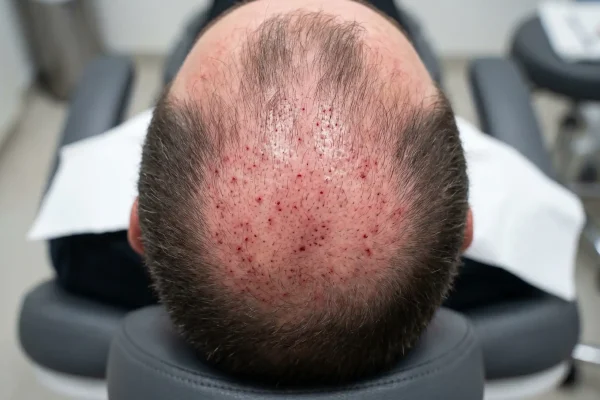
Right after the injections, your scalp feels sore. Some redness. Maybe a few pinpoint dots of dried blood at injection sites. Possibly some mild swelling around the forehead the next morning if Jeff treated the frontal hairline. That’s all normal and clears within 24 to 48 hours.
Around days 5 to 10, the scalp can feel tingly or mildly itchy. That tingling is the only “good news” sensation most patients trust early on, because it suggests the follicles are reacting to the growth factors. Around week 2, some patients see a temporary uptick in hair shedding. Not everyone. The full reason that shedding can be a green light comes a few sections down.
Things that aren’t normal: a fever, expanding redness, pus, severe headache, or pain that gets worse instead of better after day 3. Call your provider. None of those should happen with proper preparation, but anything done with needles carries a small infection risk.
These are the 5 signs we coach Tampa patients to track. They show up on a timeline, not all at once. Patience is the price of regenerative work.
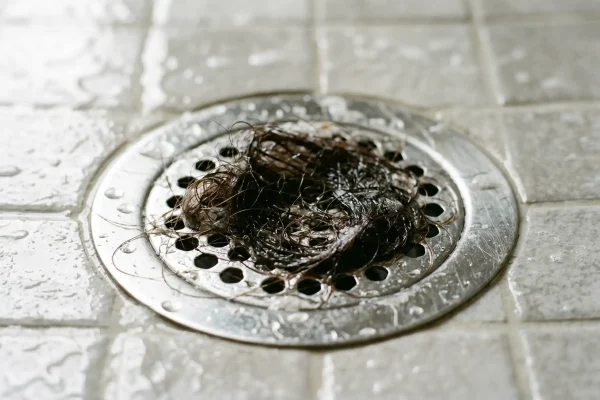
Healthy scalps shed 50 to 100 hairs a day. When PRP starts working, daily shedding drops. You’ll notice fewer strands when you brush, less hair coiling in the shower drain, and a cleaner pillowcase in the morning. Most patients clock this between weeks 2 and 6. It’s the earliest reliable signal, and it’s measurable: lay a white towel on your pillow for a week and count.
By month 3, look for short, soft, lighter-colored hairs popping up where your scalp used to look bare or sparse. These are called vellus hairs, and they’re the first stage of follicle reactivation. Over the next few months, they’ll thicken and darken into terminal hairs that match the rest of your head. Patients miss this sign all the time because the hairs are subtle. Take a photo under bright lighting at month 1 and compare month 3. The new growth jumps out.
This is the sign your friends and family will notice before you do. The part line looks less wide. The crown stops showing as much scalp under bathroom lighting. Patients often say the same thing: “I stopped panicking when I run my fingers through it.” A 2024 review in Aesthetic Plastic Surgery reported a mean density increase of about 25 hairs per square centimeter, and 70 to 80% of patients in recent reviews reported visible improvement after 3 to 4 sessions.
PRP doesn’t just trigger new growth. It thickens existing strands by helping miniaturized follicles produce fatter shafts. Pinch a small bundle of hair between your thumb and forefinger and roll it slowly. Six months in, that bundle should feel more substantial than it did at intake. Some patients describe their hair as feeling “heavier” or holding a style better. That’s the shaft diameter increasing.
A healthy scalp environment is half the battle. PRP has anti-inflammatory effects, so if you walked in with a flaky, irritated, or oily scalp, expect that to settle. Less itching. Less flaking. Less of that tight, dry feeling. This sign matters because chronic scalp inflammation is one reason follicles miniaturize in the first place.
Around weeks 2 to 6, some patients see a temporary spike in hair loss. More strands when they shampoo. More on the brush. This freaks people out. It shouldn’t. In reality, it doesn’t happen to everyone, and the industry oversells it as a universal experience. About half of our Tampa patients shed visibly. The other half don’t, and they still respond to treatment.
The shedding has a real cause. PRP forces dormant follicles out of the resting phase. The old, weak hairs anchored in those follicles get pushed out so a new, healthier shaft can grow in. It’s a turnover, not a setback. If you do experience it, the shedding usually lasts 2 to 4 weeks and stops on its own.
When to actually worry: shedding that lasts past week 8, shedding accompanied by scalp pain or visible inflammation, or shedding so heavy you’re losing entire patches. That’s not the PRP working. That’s something else, and you need to call your provider. If you want a deeper read on the chemistry behind the spike, our piece on whether PRP stops hair loss walks through the cycle.
The growth side of the equation runs on a different clock than the shedding side. Hair grows about half an inch per month, so meaningful length takes time.
Month 1: Mostly nothing visible. Inflammation settles. Scalp feels normal.
Month 2 to 3: Vellus hairs appear at the treatment edges. Fine, soft, often lighter than your existing hair. Shedding (if it happened) tapers off.
Month 4 to 6: The vellus hairs darken and thicken into terminal hairs. Part lines tighten. Density bumps show up in photos. Most patients say this is when they “knew it worked.”
Month 6 to 12: Cumulative results from multiple sessions stack. Around 30 to 50% of patients see substantial benefit, with stronger effects in early-to-moderate loss. The patients who don’t respond well typically have advanced loss, untreated medical conditions, or follicles that were already too far gone at intake.
Speaking of session counts, your initial series usually runs 3 to 4 treatments spaced 4 to 6 weeks apart. We cover this in detail in our guide on how many PRP treatments you actually need, but the short version is one session is almost never enough.
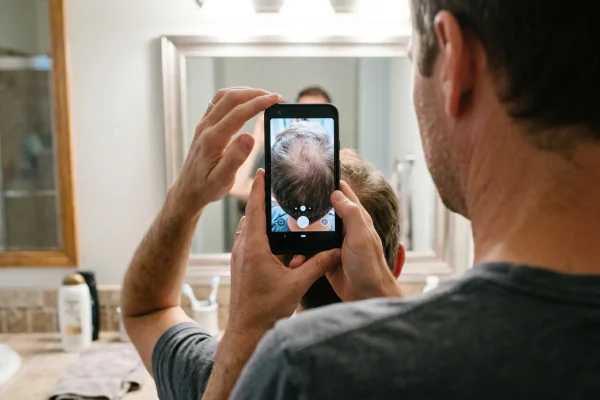
The single best tool you have is your phone camera. Take photos under the same lighting, same angle, same time of day, every 4 weeks. Front hairline straight on. Crown from directly above. Part line under a bright lamp. Compare month 1 to month 4 to month 6. Subjective memory is terrible at tracking gradual change. Photos aren’t.
What I tell our Tampa patients to do beyond photos:
What I tell them to skip:
If you want to know how long the gains from a series tend to hold, our breakdown of how long PRP results actually last for hair lays it out by month.
Most progress conversations are quiet check-ins, not crisis calls. But there are moments where you should pick up the phone.
Call if you hit month 4 with zero signs from the list above. Not “I’m not sure,” but actually zero: same shedding, no vellus growth, no density change, no scalp difference. That’s the point where Dr. Grandhige or Jeff will re-evaluate. Sometimes the answer is a tweak to platelet concentration. Sometimes it’s adding microneedling between sessions for better penetration. Sometimes it’s combining PRP with a topical or oral medication for results PRP alone can’t deliver.
One honest take most clinics won’t give you: PRP works best as part of a stack, not as a solo act. The patients who get the best long-term outcomes at Formation are usually doing PRP every 4 to 6 months for maintenance, paired with a topical at home, plus attention to anything systemic (thyroid, iron levels, stress, sleep). Anyone selling PRP as a one-and-done cure is selling you something else. The International Society of Hair Restoration Surgery patient guide says the same thing in fewer words.
Call also for anything that feels off after a session: persistent pain past day 3, expanding redness, fever, or unusual swelling. None of those should happen with proper handling, but they’re worth a quick check.
Knowing how to know if PRP is working for hair comes down to honest tracking and realistic expectations. Less shedding, baby hairs, density, thicker strands, a calmer scalp. If you see three of those between months 3 and 6, you’re on the right track. If you don’t, your provider should adjust the plan, not just sell you another session. Tampa patients can reach out to Formation to talk through where you are in your timeline.
Most patients see the first sign (reduced daily shedding) between weeks 2 and 6 after the first session. Visible density gains usually arrive between months 4 and 6 once the new vellus hairs thicken into terminal strands. Recent reviews show 70 to 80% of patients report visible improvement after 3 to 4 sessions, but the timeline shifts based on age, loss stage, and platelet concentration.
Often yes, but not always, and not for everyone. Temporary shedding between weeks 2 and 6 can mean dormant follicles are pushing out old hairs to make room for new growth. About half of patients shed visibly, and the other half don't. If shedding lasts past week 8 or comes with scalp pain, that's not the PRP working and you should call your provider.
Shedding isn't the only signal. Look for fine new hairs along the hairline by month 3, density gains visible in progress photos between months 4 and 6, thicker individual strands when you pinch a small bundle, and a calmer scalp overall. About 30 to 50% of patients see substantial benefit, and many of them never went through a dramatic shedding phase.
No. PRP revives miniaturized follicles that are still alive. If your scalp is shiny and smooth in a given area, the follicles are gone and PRP cannot regrow them. The treatment works best on diffuse thinning, early male pattern hair loss, and female pattern hair loss with viable follicles. For advanced loss, hair transplant or combination protocols are usually the better path.
A standard initial series runs 3 to 4 sessions spaced 4 to 6 weeks apart, with maintenance every 4 to 6 months. If you hit month 4 of the initial series with zero signs (no shedding change, no new growth, no density gain), that's the trigger to revisit the plan with your provider. A 2024 meta-analysis found mean density increases of about 25 hairs per square centimeter, but results vary widely with platelet concentration and protocol.
A 2024 meta-analysis found stronger density effects in male-only trials, but both men and women see meaningful benefits. Women with androgenetic alopecia respond well in terms of density and shaft thickness. The bigger predictor than gender is how early in the loss timeline you start treatment.
No. PRP is not permanent. Most patients need maintenance sessions every 4 to 6 months to sustain results, because the underlying genetic or hormonal cause of the hair loss is still there. Anyone selling PRP as a one-time cure is misleading you. The best long-term outcomes come from combining PRP with a topical or oral treatment plus attention to systemic factors like thyroid, iron, and sleep.
Let’s talk filler placements! 👀
From standard touch-ups to total profile balancing, dermal filler is incredibly versatile. Check out the reel to see all the areas we can treat to enhance your natural beauty.
The secret to great filler? A customized plan. 🎨
👇 Take the next step:
DM us “CONSULT” or click the link in our bio to book your one-on-one consultation today. Let’s see what filler can do for you!
Let’s talk filler placements! 👀
From standard touch-ups to total profile balancing, dermal filler is incredibly versatile. Check out the reel to see all the areas we can treat to enhance your natural beauty.
The secret to great filler? A customized plan. 🎨
👇 Take the next step:
DM us “CONSULT” or click the link in our bio to book your one-on-one consultation today. Let’s see what filler can do for you!
...
The power of a profile transformation. 🔥
For this patient, we combined PDO Lifting Threads and advanced chin/jawline filler to completely redefine his lower face. By strategically lifting the mid-to-lower face and sculpting the jaw, we didn’t just enhance one feature—we elevated his entire facial appearance.
An incredible, natural-looking result that brings balance and confidence from every angle.
Note: Minor bunching or puckering is completely normal immediately following a PDO thread lift. The slight bunching visible in the after photo will fully subside on its own over the next 2-4 weeks as the threads settle.
#JawlineContouring #PDOThreads #FacialSculpting #JawlineFiller #mensaesthetics
The power of a profile transformation. 🔥
For this patient, we combined PDO Lifting Threads and advanced chin/jawline filler to completely redefine his lower face. By strategically lifting the mid-to-lower face and sculpting the jaw, we didn’t just enhance one feature—we elevated his entire facial appearance.
An incredible, natural-looking result that brings balance and confidence from every angle.
Note: Minor bunching or puckering is completely normal immediately following a PDO thread lift. The slight bunching visible in the after photo will fully subside on its own over the next 2-4 weeks as the threads settle.
#JawlineContouring #PDOThreads #FacialSculpting #JawlineFiller #mensaesthetics
...
Last week, we partnered with @epicutis for an exclusive evening of luxury, connection, and next-level skin. From complimentary skin analysis scans to good company and great vibes — this is what elevated beauty looks like. Thank you to everyone who joined us. 🥂
#Epicutis #Tampa
#LuxurySkicare #Emage #skingoals
Last week, we partnered with @epicutis for an exclusive evening of luxury, connection, and next-level skin. From complimentary skin analysis scans to good company and great vibes — this is what elevated beauty looks like. Thank you to everyone who joined us. 🥂
#Epicutis #Tampa
#LuxurySkicare #Emage #skingoals
...
Check out this incredible before and after of our gorgeous patient 6 months following her Female HD Liposculpture! ⏳
While these results are already stunning, here is a little insider secret: she’s not even at her final result yet! Healing from high-definition liposculpture is a journey. Over the next few months, residual swelling will continue to subside, and any temporary skin texture changes or minor discoloration will fully resolve. As the tissues settle, her skin will keep tightening to reveal even more crisp, beautifully defined athletic contours.
We love seeing our patients blossom through their recovery. Patience pays off, and her body will only continue to lean out and lock in over the coming months!
What do you think of her 6-month transformation? Drop a 👇 in the comments!
#BodyContouring #HDLipo #SkinTightening #PostOpHealing
Check out this incredible before and after of our gorgeous patient 6 months following her Female HD Liposculpture! ⏳
While these results are already stunning, here is a little insider secret: she’s not even at her final result yet! Healing from high-definition liposculpture is a journey. Over the next few months, residual swelling will continue to subside, and any temporary skin texture changes or minor discoloration will fully resolve. As the tissues settle, her skin will keep tightening to reveal even more crisp, beautifully defined athletic contours.
We love seeing our patients blossom through their recovery. Patience pays off, and her body will only continue to lean out and lock in over the coming months!
What do you think of her 6-month transformation? Drop a 👇 in the comments!
#BodyContouring #HDLipo #SkinTightening #PostOpHealing
...
PRP (Platelet-Rich Plasma) scalp injections use your own growth factors to reawaken dormant follicles, thicken existing strands, and naturally stimulate regrowth — no surgery, no downtime.
If you’ve been watching your part widen or your ponytail thin, this is your sign. 👇
📍Formation | Tampa
📞 Book your free consultation via the link in bio.
#PRPHairTreatment #HairRestoration #PRPScalpInjections #HairLossSolution #HairGrowth
PRP (Platelet-Rich Plasma) scalp injections use your own growth factors to reawaken dormant follicles, thicken existing strands, and naturally stimulate regrowth — no surgery, no downtime.
If you’ve been watching your part widen or your ponytail thin, this is your sign. 👇
📍Formation | Tampa
📞 Book your free consultation via the link in bio.
#PRPHairTreatment #HairRestoration #PRPScalpInjections #HairLossSolution #HairGrowth
...
Did you know that you can snatch your jaw with Botox?
Use the link in our bio to schedule a consultation so we can discuss all of the ways injectables can benefit YOU
#nefertitilift #botox #tampa
Did you know that you can snatch your jaw with Botox?
Use the link in our bio to schedule a consultation so we can discuss all of the ways injectables can benefit YOU
#nefertitilift #botox #tampa
...
This patient’s transformation showcases the power of combining procedures:
High-Definition Liposculpture + Renuvion® skin tightening with fat transfer to the chest.
HD Lipo goes beyond traditional liposuction to sculpt and define the underlying muscle anatomy, while Renuvion uses helium plasma energy to tighten the skin from the inside out. The fat transfer to the chest adds natural volume and projection for a truly athletic contour.
The work is done. The confidence is his. 💪
📍 Formation Tampa
📲 Book your consultation via the link in bio.
#HDLipo #HighDefinitionLiposuction #Renuvion #BodySculpting #FatTransfer MaleBodyContouring
This patient’s transformation showcases the power of combining procedures:
High-Definition Liposculpture + Renuvion® skin tightening with fat transfer to the chest.
HD Lipo goes beyond traditional liposuction to sculpt and define the underlying muscle anatomy, while Renuvion uses helium plasma energy to tighten the skin from the inside out. The fat transfer to the chest adds natural volume and projection for a truly athletic contour.
The work is done. The confidence is his. 💪
📍 Formation Tampa
📲 Book your consultation via the link in bio.
#HDLipo #HighDefinitionLiposuction #Renuvion #BodySculpting #FatTransfer MaleBodyContouring
...
Six months post extended abdominoplasty, and we are loving these seamless, natural results. By focusing on feminine contours and a refined waistline, we achieved a silhouette that looks as good as it feels.
Proof that surgery can—and should—look effortless.
#NaturalResults #Abdominoplasty #BodyTransformation #Tampa #tummytuck
Six months post extended abdominoplasty, and we are loving these seamless, natural results. By focusing on feminine contours and a refined waistline, we achieved a silhouette that looks as good as it feels.
Proof that surgery can—and should—look effortless.
#NaturalResults #Abdominoplasty #BodyTransformation #Tampa #tummytuck
...
Lift, tighten, and refresh — without going under the knife. ✨ PDO thread lifts are one of the most effective non-surgical treatments for restoring structure to the face. They stimulate collagen production, improve skin texture, and deliver natural-looking results that keep getting better over time. Ready to turn back the clock? Drop your questions below 👇
#PDOThreads #ThreadLift #NonSurgicalLift #CollagenBoost #antiaging
Lift, tighten, and refresh — without going under the knife. ✨ PDO thread lifts are one of the most effective non-surgical treatments for restoring structure to the face. They stimulate collagen production, improve skin texture, and deliver natural-looking results that keep getting better over time. Ready to turn back the clock? Drop your questions below 👇
#PDOThreads #ThreadLift #NonSurgicalLift #CollagenBoost #antiaging
...
A journey that began with dedication, completed with precision. ✨
This patient worked tirelessly to lose weight, only to be left with the final hurdle: skin laxity that diet and exercise couldn`t touch. A circumferential lift was performed to remove the excess tissue "belt" around the entire midsection.
Today, at 12 months post-op, the transformation is complete. It’s not just about a flatter silhouette; it’s about a body that finally matches the strength and hard work they put in. The confidence? Unstoppable. 🏔️
#BodyLift #PostWeightLoss #CircumferentialLift #SkinRemoval #BodyContouring #OneYearPostOp #TransformationTuesday #MyJourney #TampaBay
A journey that began with dedication, completed with precision. ✨
This patient worked tirelessly to lose weight, only to be left with the final hurdle: skin laxity that diet and exercise couldn`t touch. A circumferential lift was performed to remove the excess tissue "belt" around the entire midsection.
Today, at 12 months post-op, the transformation is complete. It’s not just about a flatter silhouette; it’s about a body that finally matches the strength and hard work they put in. The confidence? Unstoppable. 🏔️
#BodyLift #PostWeightLoss #CircumferentialLift #SkinRemoval #BodyContouring #OneYearPostOp #TransformationTuesday #MyJourney #TampaBay
...
Peptides optimize the effort you are putting in. Get a FREE 15-minute Virtual Protocol Review + our Regenerative Treatment Newsletter.
We’ll show you exactly how we evaluate candidacy — plus, we cover the cost of your baseline labs with all in-person consults ($100).