

Written By: Jeffrey Atlas, PA-C, Health Content Writer
Medically Reviewed By: Dr. Gopal Grandhige, MD, FACS, Board-Certified Surgeon
Last Reviewed: May 28, 2026
Most people who get PRP injections want one thing answered fast. When can I work out again? The short answer: not for at least 48 hours, and don’t expect full-intensity training for 6–12 weeks depending on the treatment site. Exercise after PRP follows a phased timeline, and rushing it is one of the most common ways patients undermine their own results.
PRP (platelet-rich plasma) therapy uses concentrated platelets from your own blood, injected into an injured tendon, joint, or tissue. Those platelets release growth factors that trigger a controlled inflammatory response, the exact biological process your body needs to start repairing damage. Exercise too early, and you disrupt that response before it finishes its job.
I’ve seen this mistake more times than I can count. Someone gets PRP on a Monday, feels fine by Wednesday, and decides a “light” gym session won’t hurt. Two weeks later, they’re back in the office wondering why nothing improved. The platelets need time to attach to damaged tissue and do their work. Loading that tissue too soon literally shakes them loose.
This article won’t cover PRP for cosmetic uses like facial rejuvenation (different protocol entirely). We’re talking orthopedic and musculoskeletal PRP, the kind athletes and active adults get for tendon injuries, joint pain, and soft tissue damage.
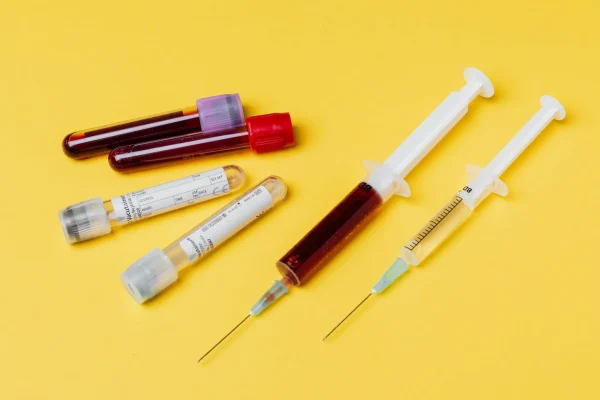
A small blood draw from your arm goes into a centrifuge, which spins the sample fast enough to separate the platelets from red blood cells and regular plasma. The resulting concentrate contains roughly 5–10 times the normal platelet count, according to a 2025 PM&R expert consensus panel published in PM&R journal.
Those platelets aren’t just clotting agents. They carry growth factors (PDGF, TGF-beta, VEGF, among others) that act as signaling molecules. They recruit stem cells, reduce inflammation on a controlled schedule, and push tissue regeneration forward.
The injection itself takes minutes. But the biology it kicks off? That runs for weeks. And here’s the part most clinics gloss over: not all PRP is the same. Platelet concentration, leukocyte content, and the preparation system used all vary wildly between providers. A 2024 analysis found complication rates of roughly 4.7% for pure PRP compared to 12.2% for preparations with higher leukocyte concentrations. Ask your provider what system they use and what concentration you’re getting. If they can’t answer, that’s a red flag.
Expect soreness. Most patients describe it as a deep ache at the injection site, sometimes worse than whatever brought them in. Swelling, mild bruising, and stiffness are all normal for 2–5 days.
Don’t panic if it feels worse before it feels better. That’s the inflammatory cascade doing its job. The growth factors are calling in repair cells and increasing blood flow to the area.
A few rules for the first 48 hours:
The biggest misconception I hear? “It’s just an injection, not surgery.” True. But the biological process it triggers requires the same respect you’d give any tissue repair protocol.
Not really. The first week is about protecting that inflammatory phase.
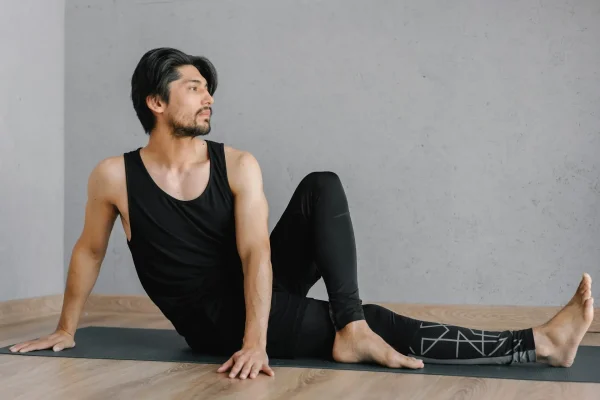
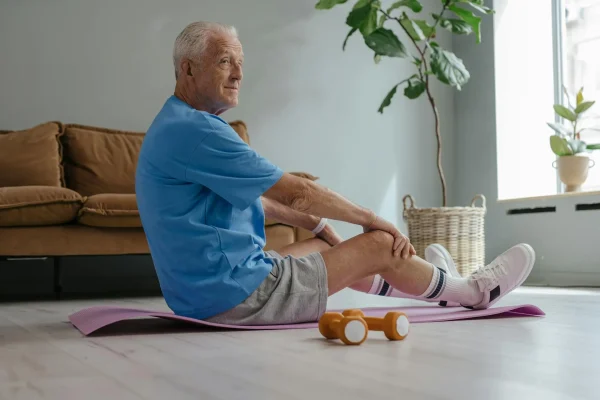
Walking is fine, and actually encouraged. Gentle movement promotes blood flow without loading the treated area. But anything beyond that depends entirely on what got injected.
If you had PRP in your knee, walking on flat ground is okay. Stairs and inclines need to be slow and deliberate. If you had a shoulder injection, light daily activities are fine, but don’t reach overhead or carry anything heavy.
Activities that are generally safe during week one:
What’s off-limits in week one: swimming (infection risk at the injection site), hot tubs, running, cycling with resistance, weightlifting, and any sport that involves impact or rapid direction changes. I know that sounds overly cautious. It’s not. One premature session can set you back weeks.
If your pain is decreasing and swelling has subsided, week two is where gentle reintroduction begins. Most orthopedic protocols, including the Washington University protocol, green-light physical therapy starting around day 14.
This doesn’t mean hitting a spin class. It means controlled, low-impact movement under guidance.
Activities most providers approve around week two:
The key distinction here is controlled loading versus random stress. A structured rehabilitation program designed around your specific injection site is wildly more effective than winging it at the gym. A 2024 study published in PMC found that patients who combined PRP with structured aquatic exercise for knee conditions showed better outcomes than PRP alone.
Actually, that framing isn’t quite right. The better way to think about it is that PRP and guided rehab aren’t separate steps. They’re one treatment with two parts. Skipping the rehab side is like buying a car and never changing the oil.
This is where impatience gets dangerous. You feel better. The soreness is mostly gone. And your brain tells you it’s time to push it.
Don’t.
Weeks 3–4 are for moderate-intensity progression, not full return. The 2025 PM&R consensus panel specifically recommends introducing eccentric exercise (controlled lengthening movements) around the 5–6 week mark for tendon injuries, with pain levels below 3 out of 10 on a visual analog scale before advancing.
What’s usually appropriate at weeks 3–4:
What’s still too early: sprinting, plyometrics, heavy squats or deadlifts, contact sports, or any explosive movement pattern.
Here’s where the treatment site really matters. A PRP injection for patellar tendonitis has a different timeline than PRP for hip osteoarthritis or a rotator cuff partial tear. Your provider should give you a site-specific protocol. If they hand you a generic sheet and send you home, you’re not getting the follow-up care this treatment demands.
Most orthopedic and sports medicine providers clear patients for full-intensity activity between 6–12 weeks post-injection. For high-demand tendon injuries (Achilles, patellar, rotator cuff), that window extends to 3–6 months. The 2025 PM&R panel recommends using validated scoring tools like VISA-A or VISA-P to track recovery progress before giving the green light.
A blanket “you’re good to go” at 4 weeks is reckless for most cases. I’ve worked with patients who felt great at week 4 and re-injured themselves within days of returning to full training. The tissue might feel better, but it isn’t remodeled yet. Collagen maturation takes months, not weeks.
For runners specifically, don’t expect to return to your pre-PRP mileage before 8 weeks minimum for a knee injection. Tendons heal slower than muscle, and running is high-repetition loading that PRP-treated tissue isn’t ready for that fast.
Here’s the contrarian take that most PRP articles skip. Pure rest for weeks on end might actually hurt your results.
There’s growing evidence, still mostly from animal studies and expert protocols, that controlled mechanical loading works hand-in-hand with PRP for tendon healing. The platelets lay the biological groundwork, and appropriate stress signals tell the new tissue how to organize its collagen fibers along functional lines.
Complete immobilization for extended periods doesn’t give tissue that loading signal. So while early exercise is harmful, delayed exercise is also not ideal. The sweet spot is progressive loading, started under guidance, timed to the biological phases of healing.
This is why working with a physical therapist who understands regenerative treatment timelines matters so much. The average gym-goer trying to self-manage this will either push too hard too fast or sit on the couch too long. Both cost you results.
It happens. You forget, or you underestimate what “light” means, or someone drags you into a pickup basketball game.
If you exercised too early after PRP, watch for these signs over the next 24–48 hours: increased swelling beyond what you had in the first few days, sharp pain at the injection site, reduced range of motion compared to the previous day, or warmth and redness that wasn’t there before.
Mild soreness after light activity at the two-week mark? Probably fine. Sharp or worsening pain after an intense session in week one? Call your provider. One slip-up won’t necessarily ruin everything, but it can delay healing and reduce the overall benefit of the treatment. Monitor the area, back off all activity for 48 hours, and contact your provider if symptoms escalate.
This article focuses on orthopedic PRP, but it’s worth a quick note for the hair restoration crowd. Exercise restrictions after scalp PRP are shorter (typically 3–7 days) because the concern is mainly about increased blood flow, sweating, and infection risk at the injection sites. Heavy sweating too soon can irritate the scalp and potentially push the injected solution away from target follicles.
If you’re getting PRP for hair loss, ask your provider for their specific exercise timeline. It won’t match the orthopedic protocols described above.
At Formation, peptide therapy and PRP treatments are administered by Jeff Atlas, PA-C, a physician assistant with a background in orthopedics who brings hands-on expertise in musculoskeletal health, regenerative techniques, and injection precision to every session. Under the medical direction of Dr. Gopal Grandhige, Jeff works closely with each patient to tailor protocols that support recovery, performance, and long-term wellness. His orthopedic training gives him a distinct advantage when it comes to understanding how the body heals, making him an ideal fit for patients seeking results grounded in clinical experience rather than guesswork.
Most providers restrict resistance training for 2–4 weeks minimum after orthopedic PRP. The 2025 PM&R consensus panel recommends waiting until week 5–6 to introduce eccentric loading for tendon injuries, and only when pain stays below 3 out of 10 during the movement. Isometric holds at low intensity can usually start around week 2 with therapist supervision.
Light jogging on flat surfaces typically gets cleared around weeks 4–6 for knee PRP. Full running at pre-injury pace and distance usually takes 8–12 weeks. A 2025 expert protocol from Washington University Orthopedics recommends normal activity returning around 6 weeks with physician clearance.
Both, depending on timing. Early intense exercise (first 1–2 weeks) disrupts the platelet attachment and inflammatory healing phase. But controlled, progressive loading after week 2–3 appears to work hand-in-hand with PRP, especially for tendon healing. A 2024 PMC-published study found combined PRP and structured aquatic exercise improved knee outcomes over PRP alone.
Monitor for increased swelling, sharp pain, or reduced range of motion over 48 hours. One session likely won't destroy your results, but it can slow the healing timeline. Rest completely for 48 hours and call your provider if symptoms worsen. Roughly 94% of PRP patients on RealSelf report the treatment was "worth it," but compliance with post-procedure restrictions is a major factor in those outcomes.
Not technically required, but strongly recommended. Multiple 2025 orthopedic protocols integrate PT starting at the 2-week mark. Patients who follow a structured rehab program alongside PRP tend to see faster and more complete recovery than those who self-manage. Think of PT as the other half of your treatment.
For most recreational athletes, 6–12 weeks for low-to-moderate impact sports. High-demand sports or professional athletes dealing with tendon injuries often need 3–6 months before clearance. Validated scoring tools like VISA-A and VISA-P help providers make objective return-to-sport decisions rather than guessing.
Because PRP protocols aren't standardized. Preparation systems, platelet concentrations, leukocyte content, and rehab integration all vary between providers. A clinic using a lower-concentration prep and skipping the rehab component might quote a faster timeline, but that doesn't mean you'll heal faster. The global PRP market grew to over $500 million in 2025, and more providers entering the space means wider variation in quality.
From medical weight loss to body contouring, her transformation was approached as a journey, not just a single procedure.
This patient started with a personalized medical weight loss program at Formation, working with Dr. Gopal to achieve significant weight loss. Once she reached her goal, Dr. Gopal performed a tummy tuck to remove excess abdominal skin and refine her contour.
Considering medical weight loss or a tummy tuck? Schedule a consultation with Dr. Gopal at Formation Tampa. Link in bio.
Actual patient results. Individual results vary.
Not every patient who wants surgery is ready for it.
One patient came to Dr. Gopal wanting a tummy tuck. Over the next 18 months, she returned multiple times, having lost more weight each time. And each time, the answer was still no.
Not because she couldn’t have the surgery, but because she wasn’t where she wanted to be yet.
Instead of rushing into surgery, the focus was on helping her reach a healthier, more sustainable weight through nutritional counseling, lifestyle support, and medical weight management.
By the time she had lost 80 pounds, she was ready, both physically and mentally.
For Dr. Gopal, being a good surgeon isn’t just about knowing how to perform a procedure. It’s also about knowing when not to perform one.
Sometimes the best result starts long before the operating room.
Considering a tummy tuck? DM us to schedule a consultation with Dr. Gopal at Formation Tampa.
#Tampa #TummyTuck #BodyContouring
Six hours. Hundreds of decisions.
High-definition liposuction is as much about precision as it is about technique.
Dr. Gopal can spend 6–7 hours on a single HD liposuction procedure, carefully evaluating the body’s anatomy, refining muscle definition, and making sure each contour transitions naturally into the next.
And that level of attention doesn’t change as the hours go by.
Because the final result is shaped by hundreds of small decisions made throughout the procedure.
Considering HD liposuction in Tampa? Schedule a consultation with Dr. Gopal Grandhige at Formation Tampa.
#HDLiposuction #HighDefinitionLiposuction #MaleLiposuction #TampaPlasticSurgery #BodyContouring
Which one surprised you the most? 👀
Liposuction is one of those procedures people have heard a lot about, but not everything they’ve heard is accurate.
From what liposuction can actually achieve to how long results take to develop, there are plenty of misconceptions that can lead to unrealistic expectations.
Dr. Gopal Grandhige, board-certified plastic surgeon at Formation in Tampa, breaks down some of the most common beliefs about liposuction and explains what’s fact and what’s fiction.
#Liposuction #HDLiposuction #BodyContouring #tampa
This is not your typical liposuction. 👀
Most people think liposuction is simply about removing unwanted fat. But high-definition liposuction takes a different approach.
Before surgery, Dr. Gopal carefully maps out the patient’s natural anatomy, marking the chest, abdomen, and waist to guide where fat will be removed and where it should be preserved.
Why does that matter?
Because removing fat evenly isn’t necessarily going to create definition. HD liposuction uses strategic fat removal to highlight the underlying muscle structure and create a more sculpted, athletic appearance.
And those lines? They’re part of the planning that makes this level of precision possible.
The photos show an actual patient immediately after surgery. Swelling is still present, and the final results will develop as healing progresses.
Interested in high-definition liposuction? Schedule a consultation with Dr. Gopal at Formation Tampa through the link in bio.
Actual patient photos. Individual results vary.
#HDLiposuction #HighDefinitionLiposuction #MaleLiposuction #BodyContouring #Tampa
Does fat move after lipo?
It’s a common concern, especially when someone notices weight gain in an area that wasn’t treated.
Here’s what actually happens.
The fat cells removed during liposuction are gone permanently. But if someone gains weight afterward, the remaining fat cells can still grow, including in areas that weren’t treated.
The fat didn’t move. The body gained weight.
That’s why Dr. Gopal emphasizes being at a weight patients can realistically maintain before surgery. Not the lowest weight they can reach, but one they can sustain long after recovery.
Considering liposuction? Schedule a consultation with Dr. Gopal at Formation in Tampa. Link in bio.
#Liposuction #HDLiposuction #BodyContouring #LiposuctionResults #Tampa
Want a more sculpted body?
High-definition liposuction takes body contouring a step further. Instead of simply removing excess fat, it focuses on sculpting around the body’s natural muscle structure to create more visible definition and a more athletic contour.
Dr. Gopal Grandhige specializes in HD liposuction, customizing each procedure based on the patient’s anatomy, body shape, and desired level of definition.
Because the goal isn’t to give everyone the same body. It’s to create a result that works with their natural anatomy.
Considering high-definition liposuction in Tampa? Schedule a consultation with Dr. Gopal at Formation Tampa. Link in bio.
Actual patient photos. Individual results vary.
#HDLiposuction #HighDefinitionLiposuction #MaleLiposuction #BodyContouring
Don’t plan lipo 2 months before vacation.
If the goal is to enjoy a more sculpted, defined body next summer, the planning needs to start months before that.
Fall is one of our busiest seasons at Formation, and there’s a reason for it. Many patients are already thinking about how they want to look and feel next summer.
But getting there takes time.
At Formation, Dr. Gopal requires at least four weeks of preparation before surgery. That time is spent preparing patients physically and mentally for the procedure and recovery.
After surgery, swelling needs to go down, the skin needs to contract, and the tissues need time to settle into their new contour.
It can take 6–9 months for results to look and feel natural.
That’s why Dr. Gopal recommends planning liposuction 6–12 months ahead, especially when there’s a specific season or vacation in mind.
If next summer is the goal, now is the time to start the conversation.
DM us or Schedule a consultation with Dr. Gopal at Formation in Tampa. Link in bio.
#Liposuction #HDLiposuction #BodyContouring #Tampa
How defined would you go?
Not everyone wants the same look from HD liposuction. Some prefer a smooth, subtle contour, while others want their abs to stand out.
Here’s how the three levels of definition differ:
01. Low definition: A leaner, natural-looking abdomen with subtle definition and light contouring around the underlying muscles.
02. Medium definition: More visible separation between the abdominal muscles, with added definition through the abs and obliques without a sharply etched six-pack.
03. High definition: More pronounced sculpting around the abs and obliques to highlight the underlying muscle structure and create a more chiseled, athletic look.
Dr. Gopal tailors his HD liposuction technique to the level of definition you’re looking for, while considering what’s achievable for your body.
Which would you choose: 1, 2 or 3? Tell us in the comments!
Interested in HD liposuction? Schedule a consultation with Dr. Gopal at Formation in Tampa. Link in bio.
Actual patient photos. Individual results vary.
#HDLiposuction #Liposuction #BodyContouring #Tampa
This isn’t traditional lipo. It’s HD lipo.
For this patient, getting smaller isn’t the goal.
He already works out. He already has the muscle. Dr. Gopal’s job is to use HD liposuction to bring out more of that existing definition and shape the areas around it so the body looks more athletic and defined.
That’s why the markings matter. Before surgery even begins, Dr. Gopal is mapping out how the abs, chest, arms and surrounding areas should work together in the final result.
Considering HD liposuction in Tampa? DM us to learn more.
📍Formation
1315 S Howard Ave
Tampa, FL 33606
📱(813) 922-2920
#HDLiposuction #HighDefinitionLiposuction #MaleLiposuction #LiposuctionTampa #tampa

This isn’t traditional lipo. It’s HD lipo.
For this patient, getting smaller isn’t the goal.
He already works out. He already has the muscle. Dr. Gopal’s job is to use HD liposuction to bring out more of that existing definition and shape the areas around it so the body looks more athletic and defined.
That’s why the markings matter. Before surgery even begins, Dr. Gopal is mapping out how the abs, chest, arms and surrounding areas should work together in the final result.
Considering HD liposuction in Tampa? DM us to learn more.
📍Formation
1315 S Howard Ave
Tampa, FL 33606
📱(813) 922-2920
#HDLiposuction #HighDefinitionLiposuction #MaleLiposuction #LiposuctionTampa #tampa

Peptides optimize the effort you are putting in. Get a FREE 15-minute Virtual Protocol Review + our Regenerative Treatment Newsletter.
We’ll show you exactly how we evaluate candidacy — plus, we cover the cost of your baseline labs with all in-person consults ($100).