


Written By: Jeffrey Atlas, PA-C, Health Content Writer
Medically Reviewed By: Dr. Gopal Grandhige, MD, FACS, Board-Certified Surgeon
Last Reviewed: May 23, 2026
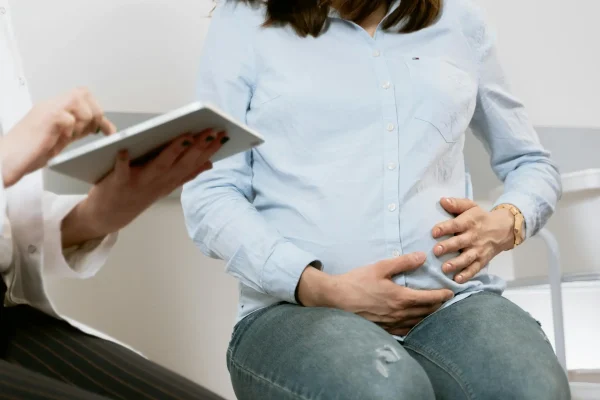
PRP therapy uses concentrated growth factors from your own blood to promote healing and tissue renewal. While it has become a widely used treatment for medical and cosmetic concerns, its safety during pregnancy has not been fully established. Most healthcare providers advise against PRP while pregnant due to limited research on how it may affect the mother or developing baby.
Current studies are still in early stages, with some research pointing to potential benefits like improved endometrial receptivity for IVF patients. However, no large-scale clinical trials have confirmed these findings, and the possibility of substances crossing the placenta remains a valid concern.
Safe alternatives for pregnant women include prenatal massage, acupuncture, regular physical activity, and proper nutrition. Speaking with a qualified provider is the most reliable way to evaluate your options. At Formation in Tampa, Dr. Gopal Grandhige, a board-certified general surgeon specializing in aesthetic surgery, leads a team that helps patients make informed decisions about regenerative treatments at every stage of life.
The role of PRP therapy during pregnancy continues to be a topic of active research and conversation among medical professionals. Because pregnancy triggers major physiological changes in a woman’s body, understanding how PRP may affect both the mother and the developing baby is critical. Formation offers regenerative and aesthetic treatments ranging from PRP to body contouring and liposuction, all under qualified medical oversight.
PRP therapy has demonstrated potential across a range of medical applications, but the research specifically evaluating its safety and effectiveness during pregnancy remains limited. For that reason, any consideration of PRP use in pregnant women should be handled with care, with a thorough review of both potential risks and benefits taking priority.
With any treatment during pregnancy, the well-being of both the mother and the developing baby must come first. Under normal circumstances, PRP therapy carries relatively low risk, with side effects typically limited to mild soreness or bruising at the injection site. That said, pregnancy can increase sensitivity and shift immune function, making it necessary to evaluate PRP administration in pregnant women more carefully.
Though uncommon, an allergic reaction to a PRP injection cannot be entirely ruled out. In non-pregnant individuals, these reactions tend to be mild and straightforward to manage, but they may carry additional risk during pregnancy. It is worth noting that any substance introduced into the body has the potential to cross the placenta and reach the developing fetus.
Because there is limited research focused specifically on PRP therapy during pregnancy, most healthcare providers recommend against its use unless the expected benefits clearly justify the potential risks. This cautious stance is driven by the priority of protecting the developing baby from unexpected complications or negative outcomes.
Clinical trials and studies looking into the potential advantages of PRP treatment for pregnant women are currently in progress. Early research suggests several promising applications, including the use of PRP to support endometrial receptivity in women going through in vitro fertilization (IVF). Some findings indicate that intrauterine PRP infusion may help improve endometrial lining thickness and quality, which could raise the likelihood of successful embryo implantation.
PRP is also being evaluated for its potential role in managing pregnancy-related complications. Researchers are studying whether it may be effective in addressing conditions like placental insufficiency and preterm labor. The regenerative characteristics of PRP offer meaningful possibilities for promoting tissue repair and reducing inflammation, both of which could support the management of these conditions.
That said, the majority of these studies are still in their early stages, and larger, more thorough clinical trials are needed to validate these potential benefits and establish clear safety guidelines.
A primary concern around the use of PRP therapy during pregnancy is how it might influence pregnancy outcomes. As with any medical procedure performed during pregnancy, evaluating the possibility of adverse effects on both the fetus and the mother’s health is essential. However, the lack of large-scale, well-designed studies makes it challenging to reach firm conclusions at this time.
On top of that, some existing studies carry limitations, including a high risk of bias, which can affect the reliability of their results. This reinforces the importance of more rigorous and comprehensive research to deliver unbiased evidence and support the safe and effective application of PRP therapy in pregnant women.
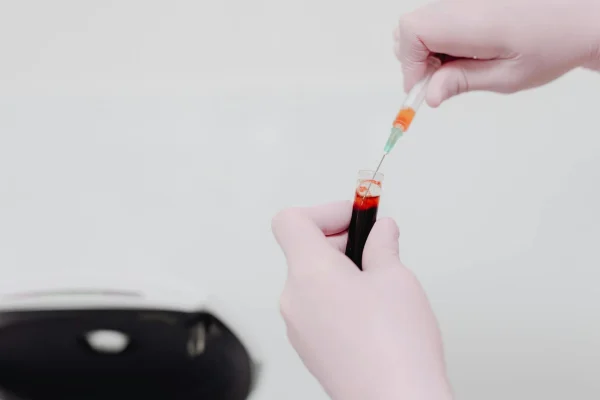
Platelet-rich plasma (PRP) therapy is an advanced regenerative treatment that works with your body’s own healing mechanisms to restore and repair damaged tissues. The process starts with drawing a small sample of your blood, which is then processed in a centrifuge to isolate and concentrate the platelets. These platelets contain a high density of growth factors that are essential to how your body naturally recovers.
Those growth factors directly support tissue regeneration, boost collagen production, and promote faster wound healing. Once the concentrated PRP solution is injected into the treatment area, it activates cell renewal, helps manage inflammation, and speeds up your body’s built-in recovery response. This is why PRP has become a go-to option at Formation for patients looking to address a wide range of aesthetic and wellness concerns without relying on synthetic materials or invasive procedures. For patients interested in seeing real outcomes, the before and after gallery showcases results across Formation’s full range of treatments.
Understanding how PRP works starts with knowing what makes up your blood. Blood contains red blood cells, white blood cells, platelets, and plasma. Platelets are small cells that play a direct role in clotting and tissue repair. Plasma is the liquid portion of blood that transports these cells throughout the body.
To prepare PRP, a small sample of blood is drawn from the patient’s arm, similar to a routine blood draw. That sample is then placed into a centrifuge, a specialized device that spins the blood at high speed. This rapid rotation separates the blood into layers based on the density of each component.
The result is a concentrated layer of platelets known as platelet-rich plasma, or PRP. This concentrated solution carries a significantly higher level of growth factors compared to normal blood. These growth factors are what give PRP its ability to support healing and promote tissue rejuvenation.
PRP therapy has become one of the most sought-after regenerative treatments across multiple medical disciplines, largely because of its ability to support the body’s natural healing and tissue renewal processes. At Formation in Tampa, Jeff Atlas, PA-C brings years of orthopedic experience to every PRP treatment, giving patients a practitioner who understands musculoskeletal function and soft tissue recovery from the ground up.
One of the most recognized applications of PRP is in hair restoration. When injected directly into the scalp, PRP works to stimulate dormant hair follicles, encouraging new growth and helping slow the progression of thinning hair. Formation also offers a range of other injectable treatments that support aesthetic goals without surgery.
In sports medicine and orthopedics, PRP injections continue to gain momentum as a non-surgical option for a range of musculoskeletal injuries. The therapy’s capacity to speed up tissue repair makes it especially effective for conditions like tendonitis, ligament sprains, and osteoarthritis. Jeff Atlas, PA-C, whose background includes hands-on orthopedic care, administers these injections with a detailed understanding of joint and soft tissue mechanics.
PRP therapy has also become a go-to option in cosmetic and aesthetic treatments. It is widely used for skin rejuvenation, helping to reduce the appearance of fine lines, acne scarring, and sun damage. Beyond aesthetics, PRP is also being studied as a potential therapy for chronic wounds and nerve injuries, further expanding its role in regenerative medicine.
The potential effects of PRP therapy on pregnancy outcomes remain under active investigation. PRP therapy works by leveraging the body’s own healing mechanisms, but how it interacts with a pregnant woman’s system and the developing fetus involves multiple layers of complexity. Researchers are still working to determine whether PRP therapy could interfere with fetal development or raise the likelihood of pregnancy complications like gestational diabetes or preeclampsia.
One specific area drawing attention is the potential impact on the placenta. Because the placenta is responsible for delivering oxygen and nutrients to the growing fetus, any disruption to its function could carry serious consequences. Whether PRP therapy might trigger a maternal immune response that could indirectly affect the fetus is also a topic that researchers continue to study.
Well-designed studies that address these questions and deliver definitive answers are essential for the responsible and ethical application of PRP therapy during pregnancy. Until that research is available, a cautious approach is warranted.
PRP therapy typically carries minimal risks, but it is important to weigh the potential complications that could surface during pregnancy. Like any injection-based treatment, there is a small chance of infection at the injection site. Improper handling or preparation of PRP could also raise the risk of contamination.
Complications tied to the injection itself are another consideration. Though uncommon, there is a possibility of nerve damage, bleeding, or allergic reactions. These risks are generally low but become more significant in the context of pregnancy. The long-term effects of PRP therapy on both mother and child also remain unclear, largely because long-term studies have not yet been completed.
For these reasons, a careful and measured approach is recommended when considering PRP therapy during pregnancy. Speaking with a qualified healthcare provider about potential risks and benefits is critical for making informed decisions that prioritize both the mother’s and the baby’s health. At Formation, Dr. Gopal Grandhige, a board-certified general surgeon specializing in aesthetic surgery, and his clinical team can help patients navigate regenerative treatments with the level of care and oversight that complex situations require.
Case studies looking at the use of PRP therapy during pregnancy have reported favorable outcomes, showing that PRP can help achieve clinical pregnancies in women who previously experienced implantation failures. Much of this research centers on using PRP to enhance endometrial receptivity and support successful embryo implantation.
That said, case studies offer limited evidence because of their small sample sizes and the potential influence of other contributing factors. Larger, controlled clinical trials are needed to confirm the true effectiveness and safety of PRP therapy during pregnancy.
While scientific research continues, there are anecdotal accounts from women who underwent PRP therapy during pregnancy and saw positive results. These stories often point to PRP’s potential as a treatment option for certain pregnancy-related concerns.
For example, some women have reported improvement in conditions such as chronic pelvic pain or wound healing after receiving PRP therapy while pregnant. Others have shared their experiences of PRP supporting successful embryo implantation after repeated IVF failures.
It is important to note that these personal accounts should not be treated as definitive evidence. Sharing individual experiences can raise awareness and encourage further research, but they should not take the place of evidence-based medical guidance.
Recent studies on PRP therapy during pregnancy highlight both promising potential and the need for more research. Some findings suggest that PRP therapy may improve endometrial thickness and blood flow in women with a history of implantation failures. These results offer encouraging support for PRP’s role in enhancing endometrial receptivity and potentially increasing the odds of successful implantation.
However, many of these studies carry limitations, including a high risk of bias and small participant groups. The absence of standardized PRP preparation protocols and differences in treatment methods across studies make direct comparisons difficult. Long-term follow-up data on the effects of PRP exposure during pregnancy also remain limited at this time.
While these recent findings contribute meaningful insight into the potential benefits and risks of PRP therapy during pregnancy, larger and well-structured clinical trials are necessary to validate these early results and establish clear guidelines for safe and effective use.
If you’re pregnant and considering treatment options beyond PRP, there are several safe and effective alternatives worth looking into. Many of these options are designed specifically for expectant mothers, targeting common pregnancy-related discomforts while supporting overall health and wellness. For non-pregnant patients, Formation also provides procedures like PDO thread lifts and abdominoplasty for those looking to address specific body and facial concerns.
That said, any pregnant woman considering a new treatment should always talk to her healthcare provider first. Your doctor can help determine the safest and most appropriate plan based on your specific situation.
Non-invasive treatments tend to be preferred during pregnancy because they carry minimal risk to both mother and baby. These treatments focus on relieving the everyday challenges of pregnancy, including back pain, nausea, and fatigue, without requiring any surgical or invasive procedures.
Prenatal massage is one widely used option that helps ease muscle tension, boost circulation, and encourage relaxation. Acupuncture is another well-supported alternative that can help manage morning sickness, lower anxiety levels, and improve sleep.
Beyond specific treatments, simple lifestyle adjustments also make a meaningful difference. Staying active with regular exercise, eating a balanced diet, and prioritizing rest all contribute to a healthier pregnancy. These habits can have a significant positive effect on both your physical and emotional well-being.
Staying open to different treatment approaches matters, but so does knowing when an alternative therapy might be the better fit. This is especially true during pregnancy, when the safety of both mother and developing baby takes priority above all else.
If you’re dealing with a health condition that involves individual risk factors or limited evidence for certain treatments during pregnancy, it may be worth looking into therapies with a more established safety profile for expectant mothers. In those situations, having an honest conversation with your healthcare provider about the potential risks and benefits of each option is critical.
Your provider can factor in your medical history, where you are in your pregnancy, and your specific health needs to help guide the best decision for you and your baby.
If you are thinking about PRP therapy, the first step is to book a consultation with a qualified provider who has hands-on experience administering PRP injections. At Formation in Tampa, Jeff Atlas, PA-C, conducts PRP consultations and treatments, bringing years of orthopedic experience that directly translates to precision injection technique and a thorough understanding of musculoskeletal and soft tissue healing.
During your consultation, Jeff will review your full medical history and current health to confirm whether PRP therapy is a good fit for you. He will also evaluate your specific concerns and goals so the treatment plan is built around what you actually need, not a one-size-fits-all approach.
Before moving forward with any procedure, you will need to provide informed consent. This means you will have a clear understanding of the benefits, risks, and realistic outcomes of PRP therapy before anything begins. You should feel confident asking any questions during this process so you can make a fully informed decision about your care.
Your consultation at Formation is where the process begins. Your provider will walk you through every step of the PRP therapy procedure, from preparation to recovery timelines and possible side effects. You will also learn how many sessions are typically recommended to reach the results you are looking for. This conversation helps set clear, realistic expectations so you can move forward with confidence.
Informed consent is a standard and necessary part of any medical treatment, and PRP therapy is no different. Your provider will present a consent form that covers the benefits, risks, and alternative options available to you. The goal is to make sure you have a complete understanding of what the procedure involves before you agree to move forward. As a clinic holding both SSRP and ISSCA certifications, Formation meets the standards set by organizations that certify the use of peptides, exosomes, and stem cells, giving you added assurance in the quality and safety of your care.
Patient education is central to how Formation approaches every treatment, from PRP therapy to Botox and beyond. You should feel comfortable raising any questions that come to mind, regardless of how minor they might seem. Your provider is there to give you the information you need to make the right decision for your body and your goals.
PRP therapy holds real potential across a wide range of medical and aesthetic applications, but pregnancy adds a layer of complexity that cannot be overlooked. The limited research available means there are still unanswered questions about how PRP interacts with a pregnant woman’s body and the developing baby. Until larger, well-designed clinical trials provide clearer answers, a cautious approach remains the most responsible path forward.
What matters most is making informed decisions with the guidance of a qualified healthcare provider who understands your full medical picture. Whether PRP therapy is right for you during pregnancy depends on your individual health, your specific concerns, and the stage of your pregnancy. No two situations are the same, and your care plan should reflect that.
At Formation in Tampa, Dr. Gopal Grandhige, a board-certified general surgeon specializing in aesthetic surgery, leads a clinical team that prioritizes patient safety and personalized care at every step. From HD liposuction and complete body contouring to regenerative treatments like PRP, every procedure is built around the individual patient. If you are pregnant or planning to become pregnant and have questions about PRP therapy or alternative treatments, scheduling a consultation is the best first step toward getting the answers and guidance you need.
There is not enough research to confirm its safety. Most providers recommend against it unless the benefits clearly outweigh the risks.
Any substance introduced into the body has the potential to cross the placenta, and long-term effects on the fetus remain unclear.
Prenatal massage, acupuncture, regular exercise, and balanced nutrition are generally considered safer options during pregnancy.
Yes. The team at Formation in Tampa can evaluate your situation and help determine whether PRP or an alternative treatment is appropriate.
The number of sessions varies by condition and individual response. Your provider will outline a plan during your consultation.
The last one got 11/10.
Some of the biggest factors affecting liposuction results have nothing to do with what happens in the operating room.
Dr. Gopal rates 13 factors that can influence the final result, from working out before surgery and maintaining a stable weight to compression garments, skin elasticity, and lymphatic massage.
A few of his ratings might surprise you.
For example, he rates skin elasticity a 10/10 because even after the fat is removed, the skin still needs to contract and settle over the new contour.
And lymphatic massage? He gives it an 11/10 because of the role it plays in his recovery protocol, helping manage swelling and supporting how the skin settles over the newly sculpted areas.
The takeaway: great liposuction results depend on more than the surgery itself.
Patient preparation, anatomy, recovery, and long-term weight maintenance all play a role.
Considering liposuction or high-definition liposuction in Tampa?
Schedule a consultation with Dr. Gopal Grandhige at Formation Tampa. Link in bio.
#Liposuction #HDLiposuction #LiposuctionRecovery #LipoAftercare #tampa
The last one got 11/10.
Some of the biggest factors affecting liposuction results have nothing to do with what happens in the operating room.
Dr. Gopal rates 13 factors that can influence the final result, from working out before surgery and maintaining a stable weight to compression garments, skin elasticity, and lymphatic massage.
A few of his ratings might surprise you.
For example, he rates skin elasticity a 10/10 because even after the fat is removed, the skin still needs to contract and settle over the new contour.
And lymphatic massage? He gives it an 11/10 because of the role it plays in his recovery protocol, helping manage swelling and supporting how the skin settles over the newly sculpted areas.
The takeaway: great liposuction results depend on more than the surgery itself.
Patient preparation, anatomy, recovery, and long-term weight maintenance all play a role.
Considering liposuction or high-definition liposuction in Tampa?
Schedule a consultation with Dr. Gopal Grandhige at Formation Tampa. Link in bio.
#Liposuction #HDLiposuction #LiposuctionRecovery #LipoAftercare #tampa
Six to seven hours.
That’s how long an HD liposuction procedure can take with Dr. Gopal’s approach.
He’s not simply removing fat. He’s evaluating every square inch, considering the underlying anatomy, and shaping how each contour transitions into the next.
It’s detailed, physically demanding work.
So when Dr. Gopal says, “Someone’s gotta sweat for the fat to come off,” he means it.
Considering HD liposuction in Tampa? Schedule a consultation (link in bio).
#HDLiposuction #HighDefinitionLiposuction
Six to seven hours.
That’s how long an HD liposuction procedure can take with Dr. Gopal’s approach.
He’s not simply removing fat. He’s evaluating every square inch, considering the underlying anatomy, and shaping how each contour transitions into the next.
It’s detailed, physically demanding work.
So when Dr. Gopal says, “Someone’s gotta sweat for the fat to come off,” he means it.
Considering HD liposuction in Tampa? Schedule a consultation (link in bio).
#HDLiposuction #HighDefinitionLiposuction
Will neck lipo give you the jawline you want?
It depends…
Someone can have fullness under the chin and assume the answer is neck liposuction. But what looks like “fat” from the outside can actually come from several different structures.
Some fat sits directly beneath the skin and can respond very well to liposuction.
But fullness can also come from deeper fat beneath the platysma, the salivary glands under the jaw, muscles under the chin, or even the natural projection of the chin and jaw itself.
That distinction can completely change what neck liposuction can realistically accomplish.
This is why evaluating the anatomy matters before deciding on a procedure.
For the right anatomy, neck liposuction can create a significant change in the neck and jawline.
But when deeper structures are contributing to the fullness, liposuction alone may not create the contour someone is expecting.
A good neck lipo consultation should figure that out first.
Schedule a consultation with **Dr. Gopal Grandhige at Formation Tampa.** Link in bio.
#NeckLipo #NeckLiposuction #DoubleChin #JawlineContouring #NeckContouring
Will neck lipo give you the jawline you want?
It depends…
Someone can have fullness under the chin and assume the answer is neck liposuction. But what looks like “fat” from the outside can actually come from several different structures.
Some fat sits directly beneath the skin and can respond very well to liposuction.
But fullness can also come from deeper fat beneath the platysma, the salivary glands under the jaw, muscles under the chin, or even the natural projection of the chin and jaw itself.
That distinction can completely change what neck liposuction can realistically accomplish.
This is why evaluating the anatomy matters before deciding on a procedure.
For the right anatomy, neck liposuction can create a significant change in the neck and jawline.
But when deeper structures are contributing to the fullness, liposuction alone may not create the contour someone is expecting.
A good neck lipo consultation should figure that out first.
Schedule a consultation with **Dr. Gopal Grandhige at Formation Tampa.** Link in bio.
#NeckLipo #NeckLiposuction #DoubleChin #JawlineContouring #NeckContouring
Want more definition than workouts gave you?
Traditional liposuction focuses primarily on removing fat. HD liposuction goes further. It requires understanding the underlying muscle anatomy, where to remove fat, where to preserve it, and how each contour works together to create natural-looking definition.
That’s the art of it. The goal isn’t to give every patient the same abs or the same body. It’s to work with the anatomy that’s already there and determine how much definition will look right for that individual.
Dr. Gopal Grandhige specializes in high-definition liposuction and advanced body contouring, using nearly two decades of surgical experience to create results that look sculpted, athletic, and intentional.
Considering HD liposuction in Tampa?
Schedule a consultation with Dr. Gopal at Formation Tampa. Link in bio.
#HDLiposuction #HighDefinitionLiposuction #Liposuction #BodyContouring #Tampa
Want more definition than workouts gave you?
Traditional liposuction focuses primarily on removing fat. HD liposuction goes further. It requires understanding the underlying muscle anatomy, where to remove fat, where to preserve it, and how each contour works together to create natural-looking definition.
That’s the art of it. The goal isn’t to give every patient the same abs or the same body. It’s to work with the anatomy that’s already there and determine how much definition will look right for that individual.
Dr. Gopal Grandhige specializes in high-definition liposuction and advanced body contouring, using nearly two decades of surgical experience to create results that look sculpted, athletic, and intentional.
Considering HD liposuction in Tampa?
Schedule a consultation with Dr. Gopal at Formation Tampa. Link in bio.
#HDLiposuction #HighDefinitionLiposuction #Liposuction #BodyContouring #Tampa
Defined abs with HD liposuction.
Unlike traditional liposuction, where the primary goal is removing excess fat, HD liposuction is about strategically removing fat to reveal and enhance the underlying muscle structure.
Those markings you see before surgery help Dr. Gopal map out the patient’s anatomy and plan where to remove fat and where to preserve it to create more visible definition.
The second clip was taken immediately after surgery, so this is not the final result. Swelling and bruising will change significantly as the body heals and the final contour develops over the months that follow.
Considering high-definition liposuction? Schedule a consultation with Dr. Gopal Grandhige at Formation Tampa. Link in bio.
#HDLiposuction #HighDefinitionLiposuction #Liposuction #BodyContouring #MaleLiposuction
Defined abs with HD liposuction.
Unlike traditional liposuction, where the primary goal is removing excess fat, HD liposuction is about strategically removing fat to reveal and enhance the underlying muscle structure.
Those markings you see before surgery help Dr. Gopal map out the patient’s anatomy and plan where to remove fat and where to preserve it to create more visible definition.
The second clip was taken immediately after surgery, so this is not the final result. Swelling and bruising will change significantly as the body heals and the final contour develops over the months that follow.
Considering high-definition liposuction? Schedule a consultation with Dr. Gopal Grandhige at Formation Tampa. Link in bio.
#HDLiposuction #HighDefinitionLiposuction #Liposuction #BodyContouring #MaleLiposuction
Skin quality changes everything.
Neck liposuction can create a more defined jawline and neck contour by removing unwanted fat, but the result also depends heavily on skin quality and elasticity.
When skin has good elasticity, neck lipo alone may be enough for the skin to contract around the new contour. With some skin laxity, Dr. Gopal may combine liposuction with a skin-tightening treatment such as Renuvion or FaceTite. With significant laxity, a neck lift may be the more appropriate option.
That’s why evaluating the skin is an important part of determining the right approach before neck liposuction.
Considering neck liposuction in Tampa? Schedule a consultation with Dr. Gopal Grandhige at Formation Tampa.
#NeckLiposuction #NeckLipo #JawlineContouring #Tampa
Skin quality changes everything.
Neck liposuction can create a more defined jawline and neck contour by removing unwanted fat, but the result also depends heavily on skin quality and elasticity.
When skin has good elasticity, neck lipo alone may be enough for the skin to contract around the new contour. With some skin laxity, Dr. Gopal may combine liposuction with a skin-tightening treatment such as Renuvion or FaceTite. With significant laxity, a neck lift may be the more appropriate option.
That’s why evaluating the skin is an important part of determining the right approach before neck liposuction.
Considering neck liposuction in Tampa? Schedule a consultation with Dr. Gopal Grandhige at Formation Tampa.
#NeckLiposuction #NeckLipo #JawlineContouring #Tampa
Liposuction can change more than the body.
I’ve watched patients become more confident, make changes in their careers, show up differently in their relationships, and start making different choices for themselves.
That’s when I know I’ve done my job well.
Because high-definition liposuction isn’t only about creating a leaner, more defined physique. Sometimes the physical transformation becomes the catalyst for changes that reach far beyond the operating room.
Dr. Gopal Grandhige
Considering HD liposuction in Tampa? Schedule a consultation with Dr. Gopal Grandhige at Formation Tampa.
#BodyContouring #HDLiposuction #tampa #Liposuction
Liposuction can change more than the body.
I’ve watched patients become more confident, make changes in their careers, show up differently in their relationships, and start making different choices for themselves.
That’s when I know I’ve done my job well.
Because high-definition liposuction isn’t only about creating a leaner, more defined physique. Sometimes the physical transformation becomes the catalyst for changes that reach far beyond the operating room.
Dr. Gopal Grandhige
Considering HD liposuction in Tampa? Schedule a consultation with Dr. Gopal Grandhige at Formation Tampa.
#BodyContouring #HDLiposuction #tampa #Liposuction
Male liposuction requires a different approach.
The contours that create a more feminine shape aren’t necessarily the same ones that create a strong, athletic male physique.
With male high-definition liposuction, Dr. Gopal considers how the chest, abdomen, waist, ribs and back work together—and how the underlying muscle anatomy should guide where definition and shadow are created.
That’s also why the chest matters. A highly defined abdomen and back paired with a rounder, less-defined chest can make the overall result feel out of proportion.
The goal is a cohesive, athletic contour that works with the patient’s natural anatomy.
Considering male HD liposuction? Schedule a consultation with Dr. Gopal Grandhige at Formation Tampa.
Male liposuction requires a different approach.
The contours that create a more feminine shape aren’t necessarily the same ones that create a strong, athletic male physique.
With male high-definition liposuction, Dr. Gopal considers how the chest, abdomen, waist, ribs and back work together—and how the underlying muscle anatomy should guide where definition and shadow are created.
That’s also why the chest matters. A highly defined abdomen and back paired with a rounder, less-defined chest can make the overall result feel out of proportion.
The goal is a cohesive, athletic contour that works with the patient’s natural anatomy.
Considering male HD liposuction? Schedule a consultation with Dr. Gopal Grandhige at Formation Tampa.
Choosing a liposuction surgeon isn’t just about looking at before-and-afters.
Liposuction isn’t simply about removing fat. Decisions around how much to remove, which areas to treat, skin quality, post-op care and recovery can all influence the approach to your result.
How a surgeon answers these questions can tell you a lot about how they think, plan and care for their patients.
Save these 6 questions for your next consultation.
Considering liposuction? DM us or schedule a consultation with Dr. Gopal Grandhige at Formation Tampa.
#tampa #hdliposuction #liposuction #bodycountouring
Choosing a liposuction surgeon isn’t just about looking at before-and-afters.
Liposuction isn’t simply about removing fat. Decisions around how much to remove, which areas to treat, skin quality, post-op care and recovery can all influence the approach to your result.
How a surgeon answers these questions can tell you a lot about how they think, plan and care for their patients.
Save these 6 questions for your next consultation.
Considering liposuction? DM us or schedule a consultation with Dr. Gopal Grandhige at Formation Tampa.
#tampa #hdliposuction #liposuction #bodycountouring
6 months post high-definition liposuction with moderate definition.
The goal wasn’t just less fat. It was a leaner, more athletic contour with visible definition through the abdomen and torso, without pushing the result to the highest level of definition.
High-definition liposuction strategically sculpts around the underlying anatomy and can be customized based on a patient’s anatomy, muscle structure, and the degree of definition they want to achieve.
For this patient, moderate definition created the balance Dr. Gopal was looking for.
Results vary by patient and depend on individual anatomy, skin quality, and treatment plan.
Considering HD liposuction? Schedule a consultation with Dr. Gopal Grandhige at Formation Tampa. Link in bio.
#HDLiposuction #Liposuction #BodyContouring #MaleLiposuction #tampa

6 months post high-definition liposuction with moderate definition.
The goal wasn’t just less fat. It was a leaner, more athletic contour with visible definition through the abdomen and torso, without pushing the result to the highest level of definition.
High-definition liposuction strategically sculpts around the underlying anatomy and can be customized based on a patient’s anatomy, muscle structure, and the degree of definition they want to achieve.
For this patient, moderate definition created the balance Dr. Gopal was looking for.
Results vary by patient and depend on individual anatomy, skin quality, and treatment plan.
Considering HD liposuction? Schedule a consultation with Dr. Gopal Grandhige at Formation Tampa. Link in bio.
#HDLiposuction #Liposuction #BodyContouring #MaleLiposuction #tampa

Peptides optimize the effort you are putting in. Get a FREE 15-minute Virtual Protocol Review + our Regenerative Treatment Newsletter.
We’ll show you exactly how we evaluate candidacy — plus, we cover the cost of your baseline labs with all in-person consults ($100).