

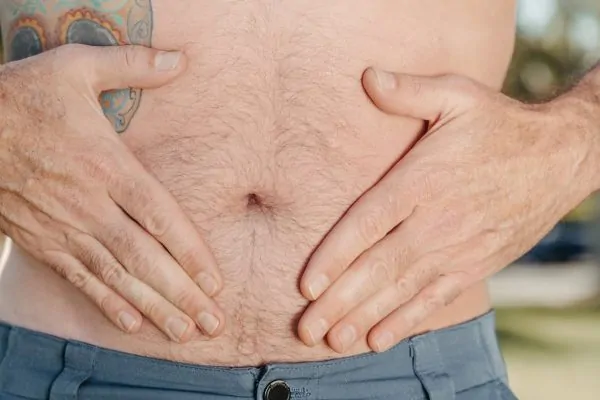

You can get a liposuction touch-up. A lipo touch-up is a minor surgical procedure performed after your initial liposuction to correct small problem areas or refine your body contour. Unlike a full revision, touch-ups target localized issues like uneven fat distribution, minor bulges, or mild asymmetry.
Most surgeons recommend waiting 6 to 12 months after your original procedure before considering a touch-up. This allows swelling to fully resolve and reveals your true results. Research shows that approximately 6 to 10 percent of liposuction patients seek some form of revision or touch-up surgery.
Common reasons for a lipo touch-up include visible lumps or indentations, persistent asymmetry, insufficient fat removal, or an overly hollowed appearance. Touch-up procedures typically involve local anesthesia, minimal downtime, and most patients return to light activity within 1 to 2 days.
At Formation in Tampa, Dr. Gopal Grandhige, a board-certified general surgeon, evaluates each patient’s healing progress and determines whether a touch-up or full revision is appropriate. The key to optimal results lies in selecting an experienced surgeon, setting realistic expectations, and allowing your body adequate time to heal before pursuing any secondary procedures.
A lipo touch-up is a relatively minor surgical procedure performed sometime after your initial liposuction to correct small problem areas or refine your shape. Unlike a complete revision, a touch-up targets more localized issues like uneven fat distribution, minor bulges, or mild asymmetry.
This means fewer days spent recovering, less discomfort, and a quicker return to your normal daily routine. These additional procedures are typically performed 6 to 12 months or more after the original surgery. By this point, the swelling has subsided significantly, and the final results are clearly visible.
Minor lipo adjustments typically involve removing fat from smaller areas where the initial procedure didn’t create completely smooth results. When an unwanted small lump or indentation remains after your first surgery, your surgeon can easily address and correct it.
Dr. Gopal Grandhige will ensure your results look exactly right! These adjustments help fine-tune your body’s contours and create a more natural-looking outcome. Most lipo touch-up patients at Formation return home on the same day of their procedure. The majority of patients can typically resume light activity within just 1-2 days.
Touch-up revisions focus on refining contours and bringing results closer to what patients originally envisioned. Full revisions address more significant concerns, such as large, uneven areas or noticeable contour irregularities.
Touch-up procedures involve smaller, precision instruments and gentler techniques. Full revisions may require more extensive tissue removal, additional fat manipulation, and a longer recovery period. A touch-up typically produces a consistently smoother, more balanced appearance. Full revisions work to correct larger issues from previous procedures. According to Cleveland Clinic’s body contouring overview, understanding the scope of each procedure helps patients make informed decisions.
The term “touch-up” itself highlights how minimal and targeted this procedure really is. This isn’t about starting from scratch or redoing everything. Think of it more like refining a sketch that’s already there.
At Formation, we’ve noticed that using this language helps put patients at ease. It sounds far less overwhelming than words like “revision” or “corrective surgery.” The name also reinforces what the procedure actually involves: quick work, small scale adjustments, and meticulous attention to detail.
Liposuction done correctly can produce stunning body transformations, but the reality is that many first-time procedures don’t hit the mark. Even with thorough planning and preparation, the final outcome sometimes falls short of what the patient envisioned. Several variables contribute to this.
Everything from surgical technique and the body’s natural healing response to how well patient expectations match achievable results can affect the outcome. For patients interested in liposuction for women in Tampa or liposuction for men in Tampa, understanding these variables upfront leads to better satisfaction.
Much of liposuction’s success depends on the surgeon’s ability to blend artistic vision with technical precision. Understanding the body’s natural curves and contours matters tremendously. Split-second decisions during the operation, combined with years of hands-on experience, shape that final result.
Surgeon experience matters more than most people realize. Studies show that revision rates tend to climb when less experienced surgeons or residents perform these procedures. Every surgeon brings their own technique and approach to the table. And just as patients heal differently, one person might recover with smooth, even contours while another ends up with irregularities or loose skin.
Lipo might look more successful than it actually is during the early stages of healing. Swelling from appendiceal and peritoneal conditions can take up to six months to go down, which hides the true results. In rare cases, firm swelling or lingering numbness may occur, along with scarring or nodules.
Age, overall health, and how closely you follow your aftercare plan all play a major role in shaping your final outcome. Not every “miss” shows up right away. Sometimes, it’s simply too soon to judge. Research from the National Center for Biotechnology Information highlights how individual healing responses vary significantly among patients.
Patients often expect things from liposuction that the procedure simply cannot deliver. When goals for an initial liposuction are unrealistic, disappointment is almost guaranteed. Honest discussions with Dr. Gopal Grandhige about your desired body shape and what’s actually achievable set the right tone from day one.
Gaining or losing weight after liposuction surgery changes your outcomes. Staying consistent with your lifestyle helps maintain your results. A regular diet, exercise routine, and maintenance plan can keep fluctuations at bay. The NIH’s weight management resources offer helpful guidance on maintaining a stable weight after cosmetic procedures.
While liposuction procedures do create more refined figures, they cannot fix excess skin or remove large volumes of stubborn fat. It’s not a substitute for weight loss or an alternative to healthy lifestyle changes. Understanding these limits prevents unrealistic expectations. Harvard Health’s diet and weight loss resources provide additional context on sustainable approaches to body management.
Liposuction ranks among the most popular elective cosmetic procedures worldwide, but not every outcome meets patient expectations. For some individuals, a touch-up or revision liposuction becomes the logical next step following unsatisfactory results. Research indicates that roughly 6 to 10 percent of patients seek revision surgery when their initial results fall short of expectations.
Knowing how to identify a genuine need for a repeat procedure matters. Understanding how suboptimal liposuction affects both your body and mental wellbeing is essential, and obtaining a professional evaluation should be a priority. The choice to pursue revision surgery goes beyond physical appearance alone. It influences your confidence, comfort level, and lasting satisfaction with your body. Psychology Today’s body image research explains how physical appearance impacts overall mental health.
Below are the primary reasons why lipo revision becomes necessary, along with what indicators to watch for and key considerations to keep in mind.
Lumps, bumps, or depressions can surface after liposuction. These complications may stem from uneven fat removal, the body’s postoperative healing response, or less-than-ideal surgical execution. Sometimes a small fat pocket gets overlooked, or too much fat gets extracted from a particular zone.
Scar tissue forming beneath the skin can also create a wavy or puckered surface texture. When these irregularities become visible to the eye or detectable by touch, they often become a cosmetic concern. Most patients undergo liposuction seeking a smooth, refined contour after all.
Solutions for addressing these problems include additional liposuction to create uniformity, or fat grafting, which involves harvesting fat from one body area and transferring it to fill depressed spots. For mild cases, therapeutic massage or non-invasive treatments may provide adequate improvement.
Addressing these concerns earlier proves beneficial, once the skin has completed its healing phase, to reduce the risk of permanent texture changes. Most surgeons advise waiting between 6 and 12 months following the initial procedure. This timeline exists because the body requires adequate time for healing and settling.
Body symmetry plays a significant role in overall appearance. In certain cases, pronounced asymmetry develops where one side of the body looks distinctly different from the other after liposuction. This imbalance can occur when fat gets removed unevenly, or when swelling resolves at varying rates.
Sometimes the asymmetry becomes quite apparent, especially when wearing form-fitting garments. Revision procedures can correct this by extracting additional fat from one side or adding fat to the other. During follow-up appointments, a surgeon will assess any discrepancies and review potential corrective options. Some patients also consider complementary treatments like non-surgical neck and jawline contouring for women to enhance overall balance.
Both physicians and patients should evaluate symmetry throughout all consultations, not just immediately following surgery. This practice helps establish a reference point and monitor changes as healing progresses.
Some patients feel dissatisfied because their treated area does not appear as flat or slim as they had hoped once healing concludes. This situation arises when insufficient fat was extracted during the original operation. Additionally, swelling can mask the true outcome for several months.
Indicators of this issue include clothing fitting the same as before surgery or no noticeable change in body shape. When inadequate fat removal occurs, a touch-up procedure may resolve the concern. A surgeon can perform additional fat extraction, though they will first evaluate safety factors and skin condition.
In some instances, a person’s natural body composition limits how much fat can be safely removed. For optimal outcomes, complete healing and swelling resolution must occur before making revision decisions. Patients exploring complementary procedures like tummy tuck for women in Tampa may find that combining treatments achieves better overall results.
Extracting excessive fat can produce an indented or hollow appearance. This problem particularly affects areas like the thighs or abdomen. The skin may begin adhering to underlying muscle, creating visible demarcation lines or concave areas.
These changes prove quite challenging to conceal and frequently diminish self-confidence. Correcting over-removal typically requires adding fat back to the affected area through fat grafting techniques. When executed with meticulous planning, the restored contour will look natural. Procedures like BBL for men utilize similar fat transfer principles to enhance body contours.
Proper fat transfer allows the area to blend seamlessly with surrounding tissue. This point emphasizes the importance of selecting a highly qualified surgeon. Even small miscalculations can dramatically impact overall body contour.
Rippling or sagging skin may develop when your skin cannot adequately contract following fat removal. Individuals with reduced skin elasticity face higher risk for this complication. The issue appears most commonly in older patients and those who have experienced substantial weight loss.
Manifestations include rippled texture, surface depressions, or drooping skin. Treatment approaches for rippling include skin-tightening procedures, fat transfer, or in certain situations, surgical skin removal. A person’s pre-existing skin quality significantly influences the final outcome. Hopkins Medicine’s body contouring guide provides additional information on addressing skin laxity concerns.
Surgeons typically assess skin thickness and elasticity before the initial procedure to minimize this risk. Patients may also consider BodyTite skin tightening for men or similar technologies to address skin concerns.
Occasionally, a patient’s vision and the actual outcome simply do not match. Perhaps the result looks objectively good, yet it differs from what the individual anticipated. This disconnect can feel frustrating, disappointing, or even embarrassing.
Most importantly, communicate openly with your surgeon if you experience any dissatisfaction. Frequently, the problem stems from misaligned expectations rather than an actual surgical error. When the gap between expectation and reality becomes substantial, revision surgery can help bring the outcome closer to what the patient envisioned.
Ultimately, your surgeon’s professional recommendation should carry the greatest weight. When Dr. Gopal Grandhige suggests a revision, there is typically a valid reason behind that guidance. Board-certified surgeons consider your body’s fat distribution changes, skin elasticity, healing capacity, and overall final shape.
Their expertise and direction can prevent more significant complications later on. Drawing from their experience, surgeons can determine at that point whether a touch-up would prove beneficial, or whether waiting makes more sense. Placing confidence in their skill and honest feedback contributes greatly to achieving the best possible outcome.
Delaying revision too long can make the process more complex, as scar tissue accumulates and the body reaches its final settled state. Proceeding too quickly before complete healing can generate additional swelling and extend recovery time. Premature intervention can even produce less predictable results.
Generally, waiting at least 6 to 12 months after the initial surgery proves advisable. This period allows all swelling to subside and reveals the true final result. If a full year has elapsed, or even better 18 months, and the concern persists, then pursuing revision becomes appropriate.
Understanding when to schedule a lipo revision is essential for getting the best possible outcome. Timing matters more than you might think. Your body requires sufficient time to recover before going through another procedure.
Dr. Gopal Grandhige and most board-certified surgeons across the country recommend waiting at least six months to a year after your initial liposuction. This window allows your body to heal properly, gives swelling time to subside, and lets your final shape become visible. Minor corrections can sometimes be addressed within three to six months. The longer you wait, the clearer picture you get of what actually needs adjustment. Patients in the area can visit our plastic surgeon in West Tampa or plastic surgeon in Tampa Heights locations for consultations.
Your body needs at least three months to fully reveal the true outcome of liposuction. While some patients notice changes earlier, most people should expect to see complete results within three to six months.
The healing process takes time, and your body’s contours can shift significantly as swelling decreases. Patience is key here. Jumping into a second revision before your body is truly ready can lead to bigger problems down the road. For example, if a patient notices some unevenness at the two-month mark, that irregularity could resolve naturally by month six.
Swelling can take three months or longer to completely go away. Until it does, the true contours of the treated area remain unclear.
Some days the swelling might seem worse, then improve the next day. Monitoring these changes helps both patients and surgeons determine whether additional work is actually necessary. Scheduling a revision before swelling has fully resolved risks fixing an issue that would have corrected itself.
Firmness in the treated area is normal right after a liposuction procedure. Giving tissues time to soften is crucial. With adequate time after surgery, tissues gradually soften and settle into place.
This process can stretch over several months. When skin feels hardened, it likely hasn’t settled into its true shape yet. Letting the tissues soften creates a more natural appearance and prevents unnecessary touch-ups later on.
During the healing process, your surgeon tracks your progress and can tell you when it makes sense to start planning for a potential revision.
Their judgment comes from years of training and hands-on experience. Trusting their advice early on leads to safer and more reliable results.
Deciding if a lipo touch-up or revision is necessary is ultimately a personal choice. Most patients weigh their goals, evaluate how they feel about their results, and have honest conversations with their doctor. Surgeons at Formation see a wide range of reasons for revision, from skin changes to shifts in body shape over time.
Self-assessment plays a significant role. You know your body best, so check in with how you feel as your results settle. The Obesity Action Coalition’s resources on self-esteem highlight how body satisfaction impacts overall wellbeing.
Skin elasticity plays a major role in determining how your skin will look after liposuction. Better skin elasticity generally means smoother results. Saggy or wrinkled skin can indicate decreased elasticity.
Stretch marks, sagging, or crepey skin are all signs that a revision might be needed. Surgeons always assess your skin’s bounce before any procedure since it helps predict how your body will look after healing. For facial concerns, FaceTite for men offers minimally invasive skin tightening options.
How you heal is a highly individual process. While some patients see swelling resolve within days, others may take weeks. Health factors such as age, weight, or pre-existing conditions like diabetes can extend recovery time and affect the outcome.
Most experienced revision surgeons recommend that patients wait a minimum of six to twelve months before considering revision. Full results can take six months or longer as swelling decreases and skin adheres to underlying tissue. The Mayo Clinic’s body contouring information offers insights into healing timelines after significant procedures.
Having open and honest communication with your surgeon is what matters most. Establish concrete, realistic expectations and make sure you have a solid understanding of what’s achievable.
Doctors rely on both examinations and your input to determine the best path forward. Clear and honest communication goes a long way in preventing disappointments. Options like facial rejuvenation with injectables for women in Tampa can complement surgical procedures for enhanced overall results.
Beyond improving function, staying active, eating well, and maintaining a healthy weight can reduce the need for additional surgery. WebMD’s healthy weight resources provide practical guidance for maintaining results long-term.
Even after revision, you should avoid intense training for several weeks. Taking the right actions daily is what makes your outcomes last.
Choosing between a quick touch-up and a comprehensive revision after liposuction is an important decision. It really comes down to the types of changes that are required. A touch-up typically works well to address stubborn residual fat or refine your overall shape. It is usually performed no sooner than six months following the initial procedure.
In contrast, a major overhaul addresses more extensive repairs. This involves dealing with surface waviness, deep irregularities, and significant issues that require more work. Our women’s aesthetic surgery in Tampa and men’s aesthetic surgery in Tampa pages outline the full range of options available.
A major overhaul is what you need if you have considerable excess skin or fat that must be removed. It is most effective when under-correction becomes apparent months after the original operation. If the issue involves deep waviness, stuck-down skin, or obvious asymmetry, you’re looking at a major overhaul.
After surgery, surgeons look for complications such as excess fat removal and loose skin. A proper consultation, including a physical examination and possibly photographic evidence, helps in selecting the most suitable approach.
For touch-ups, local anesthesia is usually all that’s required. Most patients remain awake, and the entire procedure is brief. Major overhauls often require deeper sedation or even general anesthesia to ensure comfort and safety.
Having an open discussion with your clinician about what’s going to be best and safest for you is essential. The American Society of Plastic Surgeons’ patient safety guidelines provide comprehensive information on anesthesia protocols.
Touch-up work typically results in minimal downtime. Most patients are back to their normal activities within a matter of days. Major overhauls take more out of you. Recovery may take weeks, with additional swelling and bruising.
Planning ahead and understanding the time needed away from normal activities is crucial with major overhaul procedures.
Touch-ups are generally less expensive than major overhauls. They require fewer resources and translate to less time spent in the clinic.
Overhauls cost more since they often require additional personnel, additional materials, and additional visits. Budgeting properly for each option, with some cushion built in, ensures that surprises don’t cause financial strain.
When considering a lipo revision, choosing the right physician is absolutely essential. Revision liposuction is more than just a redo of the original surgery. It goes much deeper and requires a very different skill set.
In larger cities, you may have more surgeons to choose from, but they may not all specialize in correcting previous lipo work. Investing time to research your options will serve you well. The risks and the need for precision increase significantly when it comes to revision work.
Waiting at least six months to a year after your initial procedure is generally ideal. This period lets your skin recover and allows the swelling to go down.
Surgeons who perform a high volume of revision lipo are typically more experienced with difficult cases. They know how to repair pits caused by fibrous scars or address skin irregularities, an issue for 8.2% of patients.
These professionals should have a proven history of correcting lumpy outcomes or helping in cases when swelling persists longer than average. Look for a practitioner who’s experienced with hundreds of revisions, not just routine, first-time procedures.
In the USA, choose surgeons certified by the American Board of Plastic Surgery. This ensures they have proper training and adhere to safety standards.
Certification confirms that they know how to identify and address issues such as oedema. This condition may be due to underlying problems like anemia or kidney disease, either of which would warrant postponing surgery.
Ask to see before-and-after photos from previous revision procedures. The results should demonstrate consistency and natural-looking outcomes across different patients.
Hyperpigmentation can occur in some patients, but this typically fades within a year at most.
Bring up any concerns about swelling, divots, or potential liposuction irregularities during your consultation. A great consultation experience should make you feel at ease discussing your worries and help you determine whether the surgeon’s method aligns with your desired liposuction results. Contact Formation to schedule your consultation today.
When you feel comfortable with your surgeon, you increase your chances of a successful liposuction procedure. A qualified liposuction surgeon who demonstrates a clear understanding of your priorities and concerns makes the overall experience much better.
Revision lipo does carry different risks compared to a first-time procedure. The body needs time to heal, so most surgeons recommend waiting 6 to 12 months after the first lipo before considering any revisions. These procedures usually come with greater risks than the initial surgery.
Scar tissue, changes in skin texture, and a higher risk of complications all play a role. Patients should know that 6 to 10% of lipo cases require a touch-up. This may happen due to residual concerns or from a new issue. In some cases, early intervention can make a difference, and taking a cautious approach when first considering a revision is crucial.
Scar tissue from the initial procedure creates additional challenges with revision lipo. It can be tough, lumpy, or adhere to underlying muscle. This can delay healing and create a greater challenge for achieving smooth results.
To detect and remove these dense tissues, surgeons sometimes use specialized instruments or softening therapies to help break up dense tissue. Finding the right surgeon with actual, long-standing experience in revisions is key. They know how to work with these changes and prevent the formation of hypertrophic or keloid scars, which are thick, raised scars that occur in only 1.3% of cases.
All of this means healing after a revision will take longer and come with increased swelling. Persistent swelling, occurring in approximately 1.7% of patients, can be associated with low blood levels and other medical concerns.
Following aftercare instructions is extremely important to avoid infection, which can occur in less than 1% of cases, but if it does, it is very severe. Patience is key when healing after a second procedure, as results may take longer to appear.
New lumps, bumps, or dips can appear following revision. Careful planning and honest discussion about desired goals can reduce this risk.
With the skin and tissue more rigid, some contour irregularities or asymmetric lines may occur.
Managing your expectations to ensure you’re working toward meaningful, achievable improvements is key to maintaining high satisfaction levels. Knowing the limits of revision lipo will help you manage your expectations for improvement.
Keeping an open line of communication with your surgeon will help prevent disappointment later on.
Determining whether you need a lipo touch-up or a full revision comes down to several factors. Stubborn lumps, uneven spots, or dents that persist after healing often signal the need for additional work. Some patients simply want more definition or a refined appearance, while others face more serious concerns requiring an experienced hand.
At Formation, Dr. Gopal Grandhige, a board-certified general surgeon, will assess your situation and present realistic solutions tailored to your body. Every patient heals differently, so there’s no universal answer that applies to everyone. Take your time, consult with your surgeon, gather information, and avoid rushing the process.
If you’re considering a second procedure, reach out to Formation in Tampa. Get honest guidance from a specialist who understands your goals. Your comfort and desired outcomes should always come first.
Consider a touch-up if you notice minor irregularities like small bulges or uneven areas after your initial procedure. Wait until swelling fully resolves, typically 6 to 12 months post-surgery, before making this decision.
Revision lipo addresses more significant issues such as pronounced contour irregularities, noticeable asymmetry, or over-correction. Consult with Dr. Gopal Grandhige at Formation to determine which approach suits your situation.
No. You should wait a minimum of 6 months after your first procedure. Swelling and healing take time, and an early touch-up might not address the actual issue and could lead to unfavorable outcomes.
Yes. Scar tissue, skin texture changes, and altered fat layers make revision procedures more challenging. Choosing an experienced revision specialist in Tampa reduces the risk of complications.
A touch-up targets small, localized areas requiring minor adjustments. A full revision addresses larger concerns like severe asymmetry, deep irregularities, or significant contour problems that require more extensive work.
Check out this incredible before and after of our gorgeous patient 6 months following her Female HD Liposculpture! ⏳
While these results are already stunning, here is a little insider secret: she’s not even at her final result yet! Healing from high-definition liposculpture is a journey. Over the next few months, residual swelling will continue to subside, and any temporary skin texture changes or minor discoloration will fully resolve. As the tissues settle, her skin will keep tightening to reveal even more crisp, beautifully defined athletic contours.
We love seeing our patients blossom through their recovery. Patience pays off, and her body will only continue to lean out and lock in over the coming months!
What do you think of her 6-month transformation? Drop a 👇 in the comments!
#BodyContouring #HDLipo #SkinTightening #PostOpHealing
Check out this incredible before and after of our gorgeous patient 6 months following her Female HD Liposculpture! ⏳
While these results are already stunning, here is a little insider secret: she’s not even at her final result yet! Healing from high-definition liposculpture is a journey. Over the next few months, residual swelling will continue to subside, and any temporary skin texture changes or minor discoloration will fully resolve. As the tissues settle, her skin will keep tightening to reveal even more crisp, beautifully defined athletic contours.
We love seeing our patients blossom through their recovery. Patience pays off, and her body will only continue to lean out and lock in over the coming months!
What do you think of her 6-month transformation? Drop a 👇 in the comments!
#BodyContouring #HDLipo #SkinTightening #PostOpHealing
...
PRP (Platelet-Rich Plasma) scalp injections use your own growth factors to reawaken dormant follicles, thicken existing strands, and naturally stimulate regrowth — no surgery, no downtime.
If you’ve been watching your part widen or your ponytail thin, this is your sign. 👇
📍Formation | Tampa
📞 Book your free consultation via the link in bio.
#PRPHairTreatment #HairRestoration #PRPScalpInjections #HairLossSolution #HairGrowth
PRP (Platelet-Rich Plasma) scalp injections use your own growth factors to reawaken dormant follicles, thicken existing strands, and naturally stimulate regrowth — no surgery, no downtime.
If you’ve been watching your part widen or your ponytail thin, this is your sign. 👇
📍Formation | Tampa
📞 Book your free consultation via the link in bio.
#PRPHairTreatment #HairRestoration #PRPScalpInjections #HairLossSolution #HairGrowth
...
Did you know that you can snatch your jaw with Botox?
Use the link in our bio to schedule a consultation so we can discuss all of the ways injectables can benefit YOU
#nefertitilift #botox #tampa
Did you know that you can snatch your jaw with Botox?
Use the link in our bio to schedule a consultation so we can discuss all of the ways injectables can benefit YOU
#nefertitilift #botox #tampa
...
This patient’s transformation showcases the power of combining procedures:
High-Definition Liposculpture + Renuvion® skin tightening with fat transfer to the chest.
HD Lipo goes beyond traditional liposuction to sculpt and define the underlying muscle anatomy, while Renuvion uses helium plasma energy to tighten the skin from the inside out. The fat transfer to the chest adds natural volume and projection for a truly athletic contour.
The work is done. The confidence is his. 💪
📍 Formation Tampa
📲 Book your consultation via the link in bio.
#HDLipo #HighDefinitionLiposuction #Renuvion #BodySculpting #FatTransfer MaleBodyContouring
This patient’s transformation showcases the power of combining procedures:
High-Definition Liposculpture + Renuvion® skin tightening with fat transfer to the chest.
HD Lipo goes beyond traditional liposuction to sculpt and define the underlying muscle anatomy, while Renuvion uses helium plasma energy to tighten the skin from the inside out. The fat transfer to the chest adds natural volume and projection for a truly athletic contour.
The work is done. The confidence is his. 💪
📍 Formation Tampa
📲 Book your consultation via the link in bio.
#HDLipo #HighDefinitionLiposuction #Renuvion #BodySculpting #FatTransfer MaleBodyContouring
...
Six months post extended abdominoplasty, and we are loving these seamless, natural results. By focusing on feminine contours and a refined waistline, we achieved a silhouette that looks as good as it feels.
Proof that surgery can—and should—look effortless.
#NaturalResults #Abdominoplasty #BodyTransformation #Tampa #tummytuck
Six months post extended abdominoplasty, and we are loving these seamless, natural results. By focusing on feminine contours and a refined waistline, we achieved a silhouette that looks as good as it feels.
Proof that surgery can—and should—look effortless.
#NaturalResults #Abdominoplasty #BodyTransformation #Tampa #tummytuck
...
Lift, tighten, and refresh — without going under the knife. ✨ PDO thread lifts are one of the most effective non-surgical treatments for restoring structure to the face. They stimulate collagen production, improve skin texture, and deliver natural-looking results that keep getting better over time. Ready to turn back the clock? Drop your questions below 👇
#PDOThreads #ThreadLift #NonSurgicalLift #CollagenBoost #antiaging
Lift, tighten, and refresh — without going under the knife. ✨ PDO thread lifts are one of the most effective non-surgical treatments for restoring structure to the face. They stimulate collagen production, improve skin texture, and deliver natural-looking results that keep getting better over time. Ready to turn back the clock? Drop your questions below 👇
#PDOThreads #ThreadLift #NonSurgicalLift #CollagenBoost #antiaging
...
A journey that began with dedication, completed with precision. ✨
This patient worked tirelessly to lose weight, only to be left with the final hurdle: skin laxity that diet and exercise couldn`t touch. A circumferential lift was performed to remove the excess tissue "belt" around the entire midsection.
Today, at 12 months post-op, the transformation is complete. It’s not just about a flatter silhouette; it’s about a body that finally matches the strength and hard work they put in. The confidence? Unstoppable. 🏔️
#BodyLift #PostWeightLoss #CircumferentialLift #SkinRemoval #BodyContouring #OneYearPostOp #TransformationTuesday #MyJourney #TampaBay
A journey that began with dedication, completed with precision. ✨
This patient worked tirelessly to lose weight, only to be left with the final hurdle: skin laxity that diet and exercise couldn`t touch. A circumferential lift was performed to remove the excess tissue "belt" around the entire midsection.
Today, at 12 months post-op, the transformation is complete. It’s not just about a flatter silhouette; it’s about a body that finally matches the strength and hard work they put in. The confidence? Unstoppable. 🏔️
#BodyLift #PostWeightLoss #CircumferentialLift #SkinRemoval #BodyContouring #OneYearPostOp #TransformationTuesday #MyJourney #TampaBay
...
Amazing experience at ISSCA, the International Society for Stem Cell Application. Looking forward to implementing these protocols at Formation
#exosomes #stemcells #peptides #healthspan #regenerativemedicine healthisbeauty
Amazing experience at ISSCA, the International Society for Stem Cell Application. Looking forward to implementing these protocols at Formation
#exosomes #stemcells #peptides #healthspan #regenerativemedicine healthisbeauty
...
Why should you be taking Tesamorelin and Ipamorelin together?
#peptides #optimalhealth #optimalperformance #health #selfimprovement
Why should you be taking Tesamorelin and Ipamorelin together?
#peptides #optimalhealth #optimalperformance #health #selfimprovement
...
🩹 Stuck with Nagging Joint Pain? Meet PRP.
If physical therapy or injections haven’t given you the relief you need, it’s time to talk about Platelet-Rich Plasma (PRP).
PRP uses your body’s own natural growth factors to accelerate healing and get you back to doing what you love—faster.
We are also thrilled to introduce Jeffrey Atlas, PA-C, to the Formation team! With deep experience in orthopaedics, Jeffrey is ready to help you navigate your recovery journey with expert care.
Ready to heal? Here’s how to connect:
• 📞 Call/Text: 813-922-2920
• 📥 DM us directly to book a virtual consult.
• 🌐 Visit: www.formationmed.com
#PRP #PlateletRichPlasma #Orthopaedics #SoftTissueInjury #RegenerativeMedicine

🩹 Stuck with Nagging Joint Pain? Meet PRP.
If physical therapy or injections haven’t given you the relief you need, it’s time to talk about Platelet-Rich Plasma (PRP).
PRP uses your body’s own natural growth factors to accelerate healing and get you back to doing what you love—faster.
We are also thrilled to introduce Jeffrey Atlas, PA-C, to the Formation team! With deep experience in orthopaedics, Jeffrey is ready to help you navigate your recovery journey with expert care.
Ready to heal? Here’s how to connect:
• 📞 Call/Text: 813-922-2920
• 📥 DM us directly to book a virtual consult.
• 🌐 Visit: www.formationmed.com
#PRP #PlateletRichPlasma #Orthopaedics #SoftTissueInjury #RegenerativeMedicine

...